Hotel interiors need to create an immediate impression while remaining practical enough for constant use.
Guests notice surfaces, lighting, textures and architectural details as soon as they enter a reception area, corridor, bedroom, restaurant or lounge. Wall design therefore plays an important role in the overall hospitality experience.
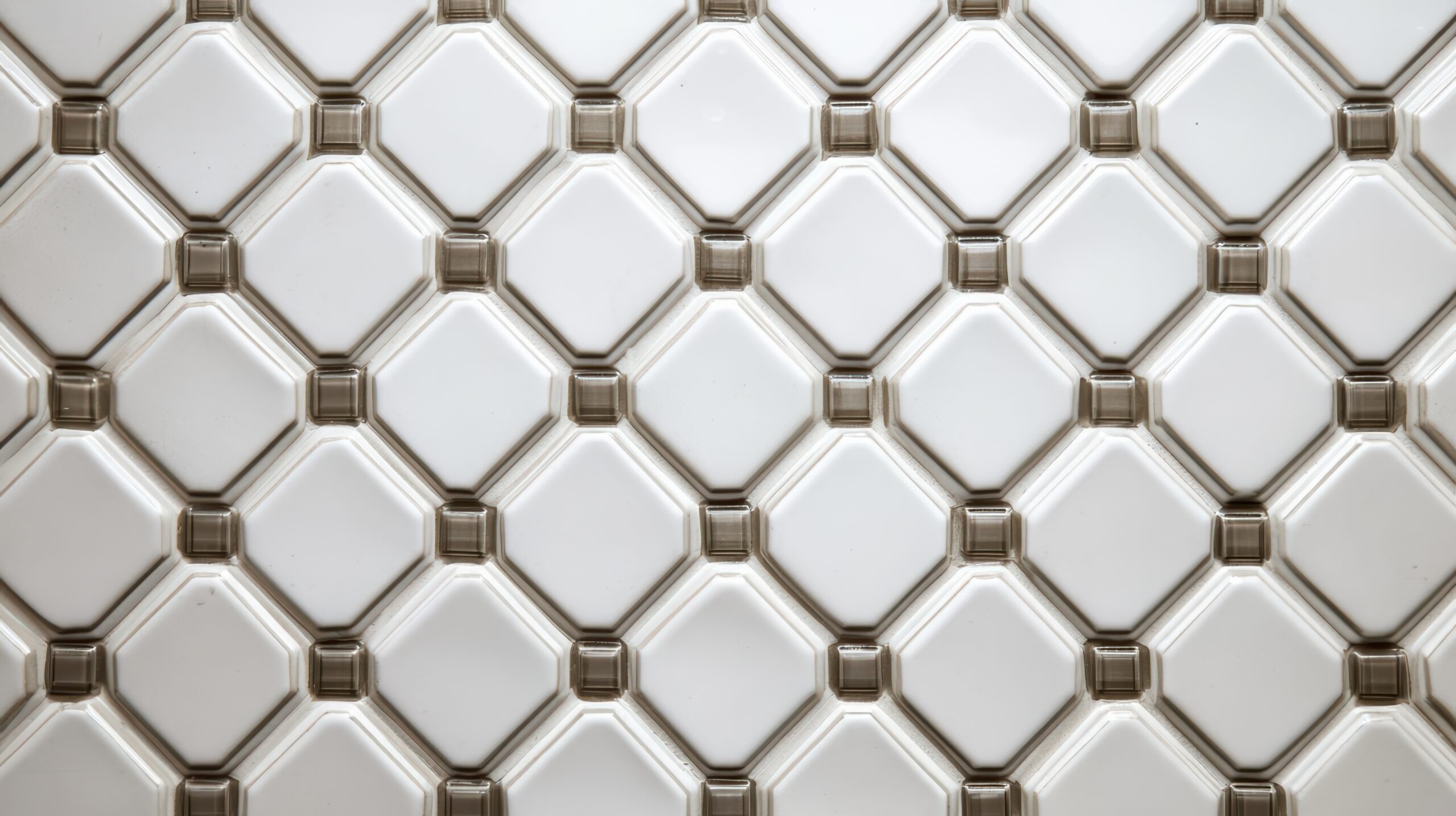
3D wall panels for hotel interiors can introduce depth, texture and architectural character without relying solely on paint, wallpaper or conventional decorative finishes.
Depending on the profile, material and lighting, a three-dimensional wall can work as a subtle background feature or become a strong focal point.
For hotel projects in Germany, however, appearance is only one part of the decision. Designers, owners and contractors should also consider where the panels will be installed, expected traffic, cleaning requirements, lighting, substrate condition and the technical requirements applicable to the project.
Why 3D Wall Panels Work in Hotel Interiors
Flat walls can provide a clean backdrop, but textured surfaces introduce another visual layer.
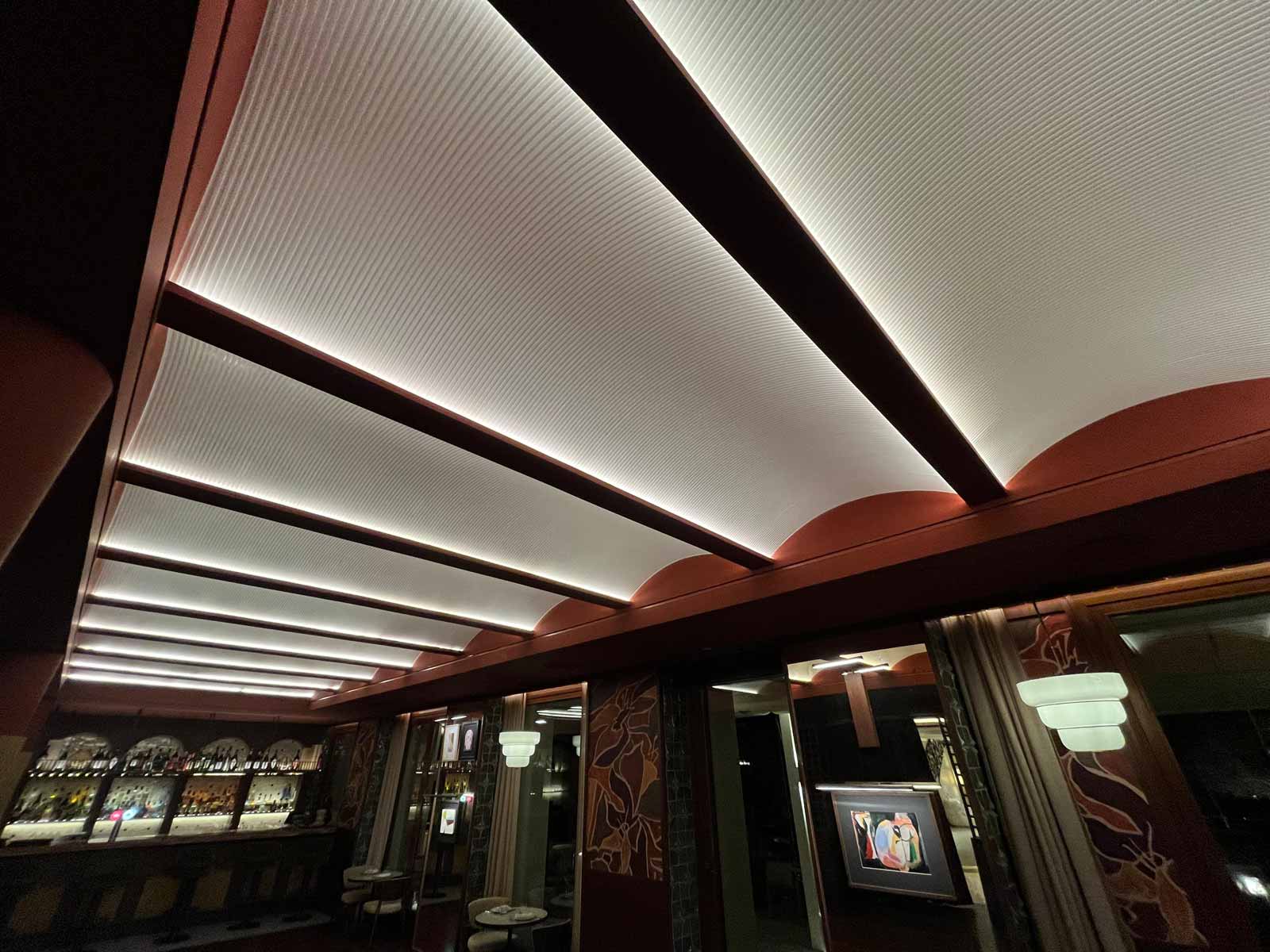
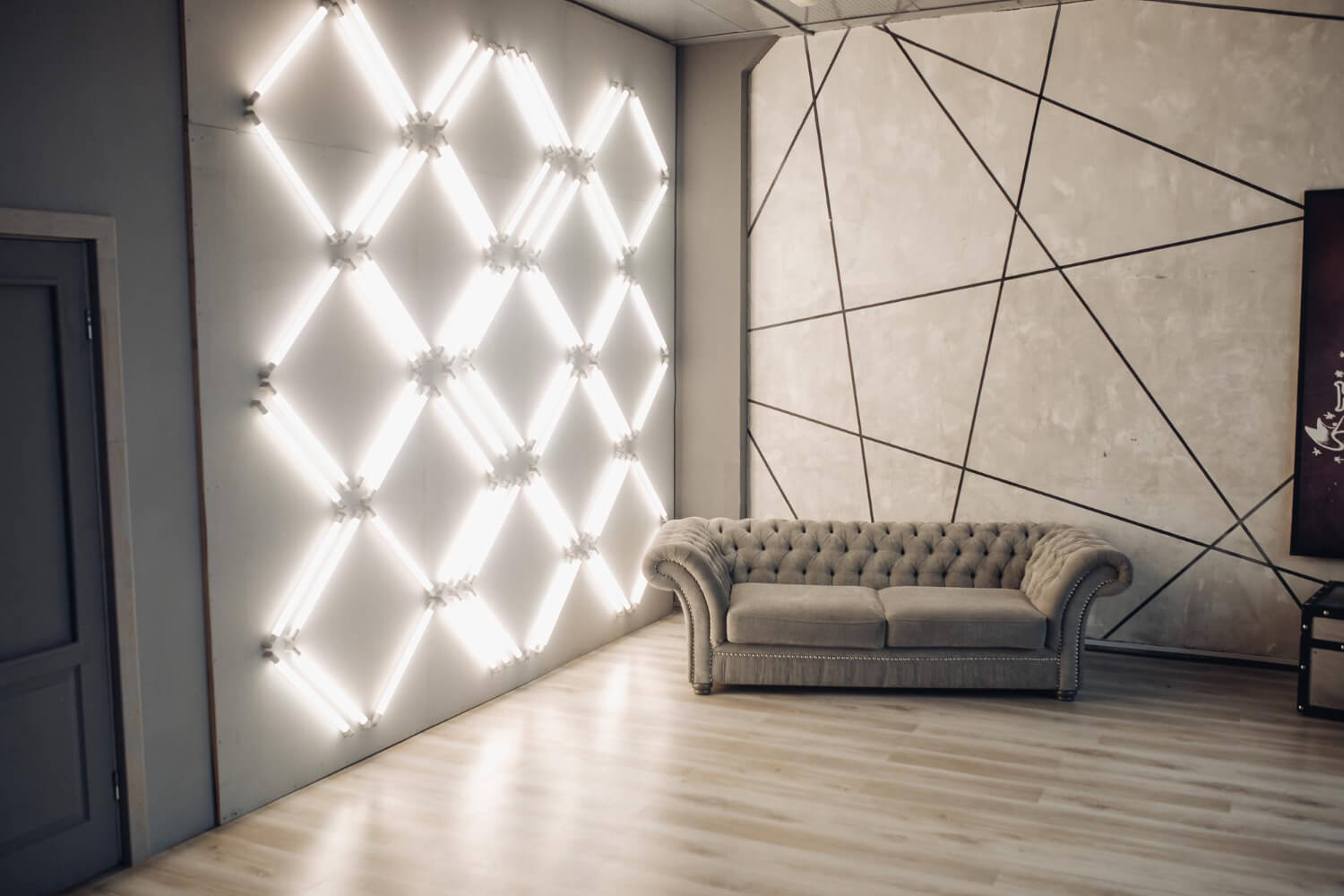
Raised patterns interact with natural and artificial light, creating highlights and shadows that can change throughout the day.
This can be particularly effective in hospitality interiors, where atmosphere forms part of the guest experience.
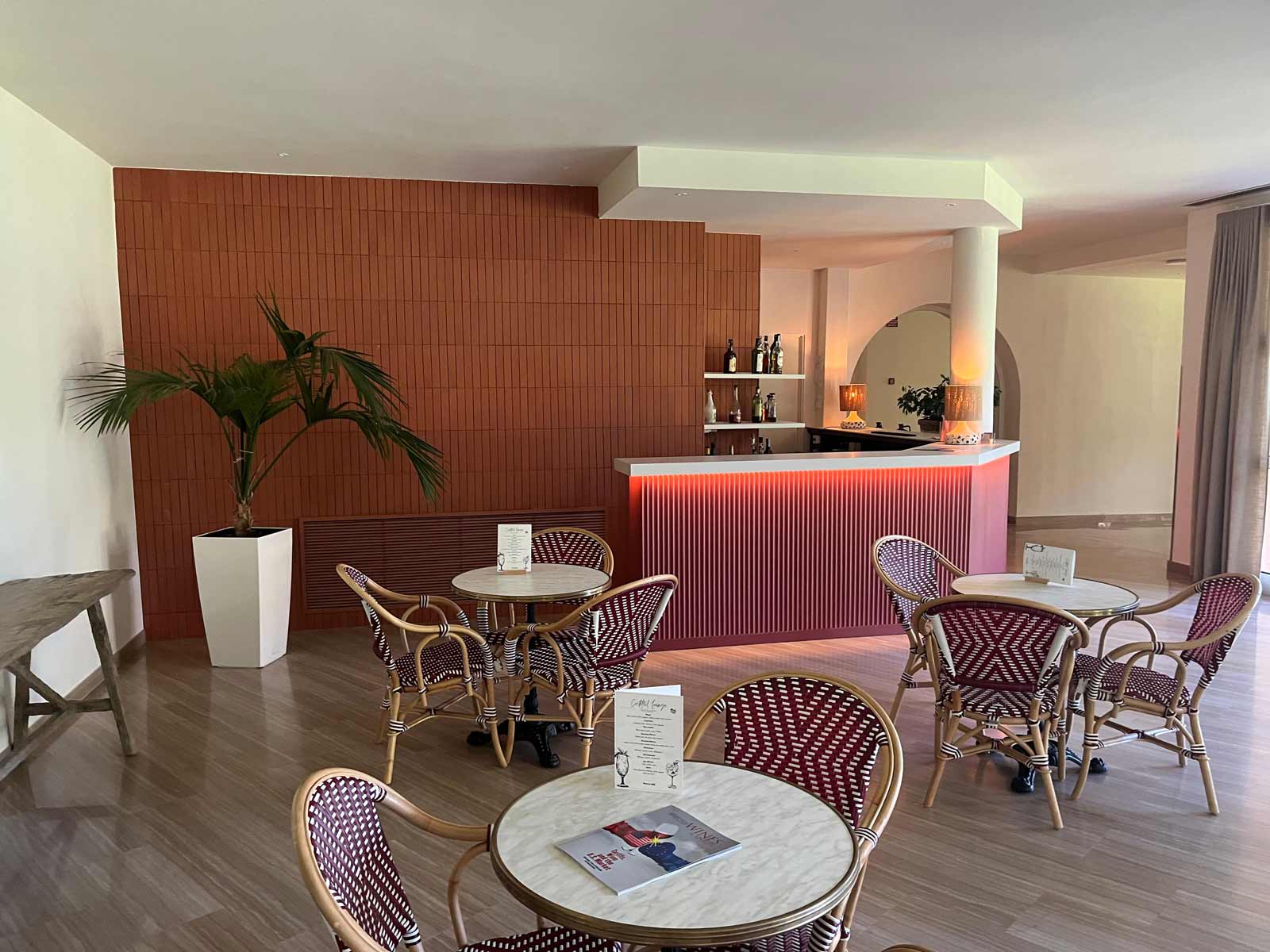
A textured feature wall behind a reception desk can help define an entrance area. In a restaurant or lounge, a sculptural surface can create an architectural backdrop for furniture and lighting.
Corridors may benefit from more restrained geometric patterns that break up long wall surfaces without introducing excessive decoration.
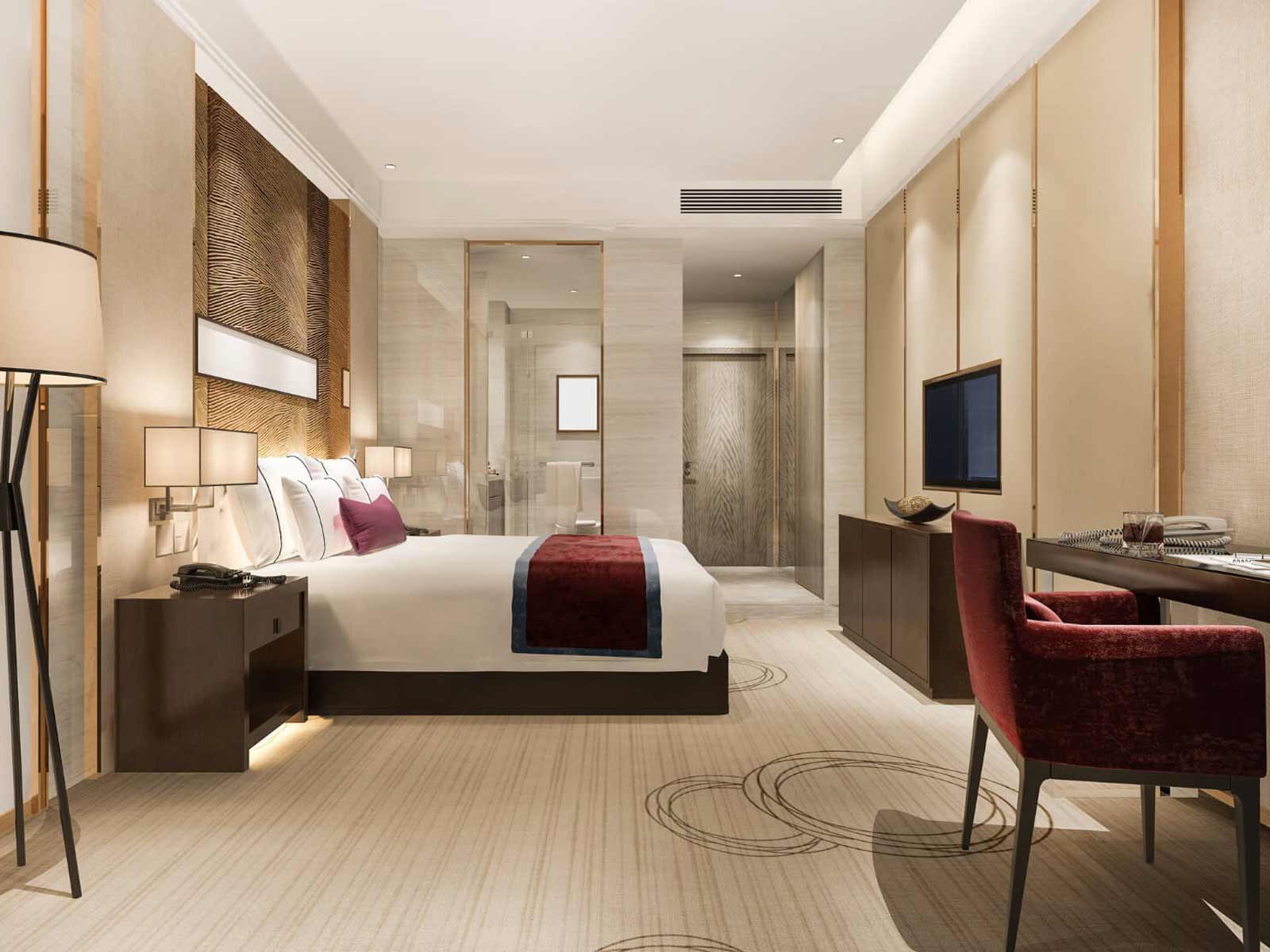
The same principle applies to hotel bedrooms, where a panelled wall behind the bed can create a focal point while remaining integrated with the wider interior.
The key is to use texture deliberately. A 3D wall should contribute to the overall design concept rather than simply fill an empty surface.
Start With the Hotel’s Interior Concept
Before selecting a panel, consider how the wall will work within the complete interior.
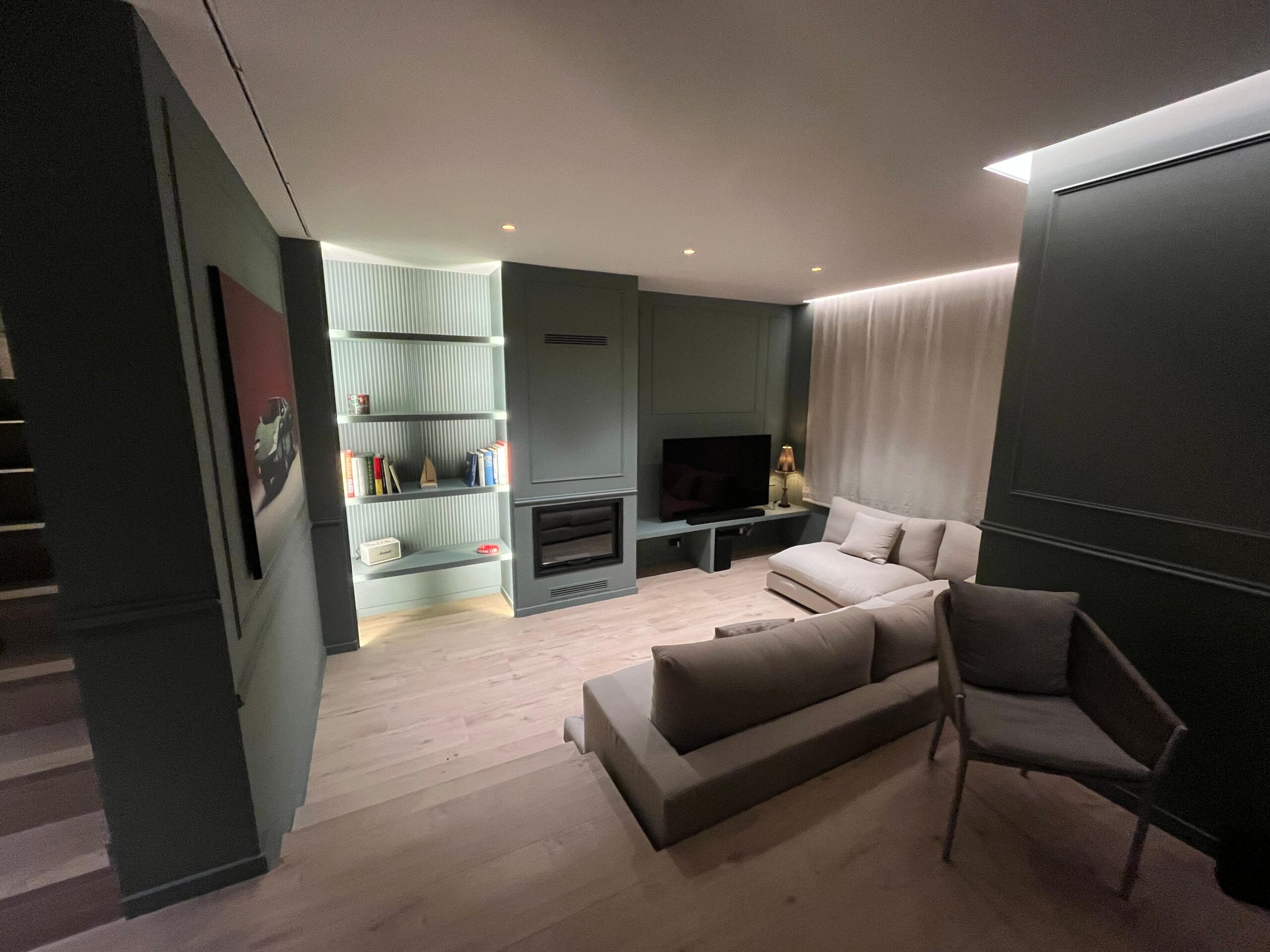
A contemporary hotel may suit linear, geometric or minimalist patterns. A more expressive hospitality concept could use flowing forms, organic textures or stronger sculptural relief.
Colour also influences the result.
A monochromatic finish can emphasise shadows and relief, while contrasting finishes make individual shapes more visually prominent.
The surrounding materials should be considered at the same time:
- flooring
- furniture
- lighting
- ceilings
- doors
- decorative mouldings
- other architectural finishes
Rather than choosing a 3D panel in isolation, assess it as part of the complete interior scheme.
Choose the Right Area for 3D Wall Panels
Not every hotel wall needs a three-dimensional treatment.
Reception areas are often strong candidates because they provide a high-visibility location where an architectural surface can contribute to the first impression.
Restaurants, bars, conference areas and lounges can also benefit from a feature wall.
Bedrooms usually require a more restrained approach. A stronger pattern may work behind the headboard, while subtler profiles can provide texture without overwhelming the room.
Corridors create a different challenge.
These areas may experience repeated contact from guests, luggage and cleaning equipment, making durability and maintenance particularly important.
The intended location should therefore influence the panel specification from the beginning.
Material Selection Should Reflect the Environment
The appearance of a panel is important, but the material and construction of the product can determine whether it is suitable for a particular hotel environment.
Decorative wall panels are available in many different materials and systems.
Some lightweight products may be appropriate for certain applications, while other projects may require different performance characteristics.
Before specifying a panel, consider factors such as:
- wall condition
- fixing method
- expected impact
- moisture exposure
- cleaning requirements
- manufacturer recommendations
- documented product performance
Areas exposed to higher levels of wear require particular attention.
A surface that looks impressive in a showroom is not automatically suitable for a busy hotel corridor or entrance.
Product documentation should therefore be reviewed during specification rather than after installation planning has already begun.
Fire Performance Requires Particular Attention
Hotels are public-facing buildings, so relevant safety and performance requirements need to form part of the specification process.
The requirements applicable to a decorative wall panel can vary according to the product, building, location and intended application.
A panel should therefore not be selected solely because of its appearance or general marketing description.
For hotel projects in Germany, the responsible design and construction professionals should verify the requirements and product documentation applicable to the specific installation.
Where fire performance is relevant, decisions should be based on documented product information rather than assumptions about the material.
This is particularly important for large installations, enclosed public areas and locations where specific building requirements apply.
Lighting Can Transform a 3D Wall
Lighting is one of the most important design considerations when working with relief surfaces.
A flat wall tends to remain relatively consistent under different lighting conditions.
Three-dimensional panels behave differently because raised and recessed areas create shadows.
Lighting directed across the surface can emphasise the relief and make the pattern considerably more noticeable.
More frontal or diffuse illumination can create a softer effect.
Hotel designers should therefore consider the relationship between the wall panels and the lighting scheme from the beginning of the project.
Wall washers, concealed lighting and directional fixtures can all produce different results.
Whenever possible, samples should be reviewed under lighting conditions similar to those planned for the finished interior before committing to a large installation.
Think About Scale Before Ordering
Pattern scale can be difficult to judge from a small sample.
A design that appears subtle on a sample board may become visually dominant when repeated across a large reception wall.
The opposite can also happen: a very shallow relief may have little visual impact when viewed from a distance.
Consider:
- viewing distance
- wall dimensions
- panel size
- pattern repetition
- surrounding furniture
- lighting
- architectural proportions
Large reception spaces can often accommodate stronger forms, while smaller areas may benefit from more restrained geometry.
Panel dimensions also influence the number and position of visible joints, making layout planning an important part of the design process.
Plan the Layout Before Installation
A professional-looking result begins before the first panel is fixed to the wall.
The layout should establish:
- where the pattern starts and finishes
- the position of joints
- how corners will be treated
- how the pattern aligns across the wall
- how doors and openings are incorporated
- how sockets, switches and lighting points are handled
Pattern continuity is particularly important with geometric or directional designs.
Small alignment errors can become increasingly visible as the pattern continues across a larger surface.
A scaled drawing or installation plan can help identify potential issues before the material is installed.
Prepare the Wall Properly
The condition of the substrate can have a significant effect on the final appearance.
Dust, loose material, substantial irregularities or unsuitable surfaces can affect adhesion and panel alignment.
The appropriate preparation depends on both the wall and the selected panel system.
It should not be assumed that every decorative panel can be fitted directly to every existing surface.
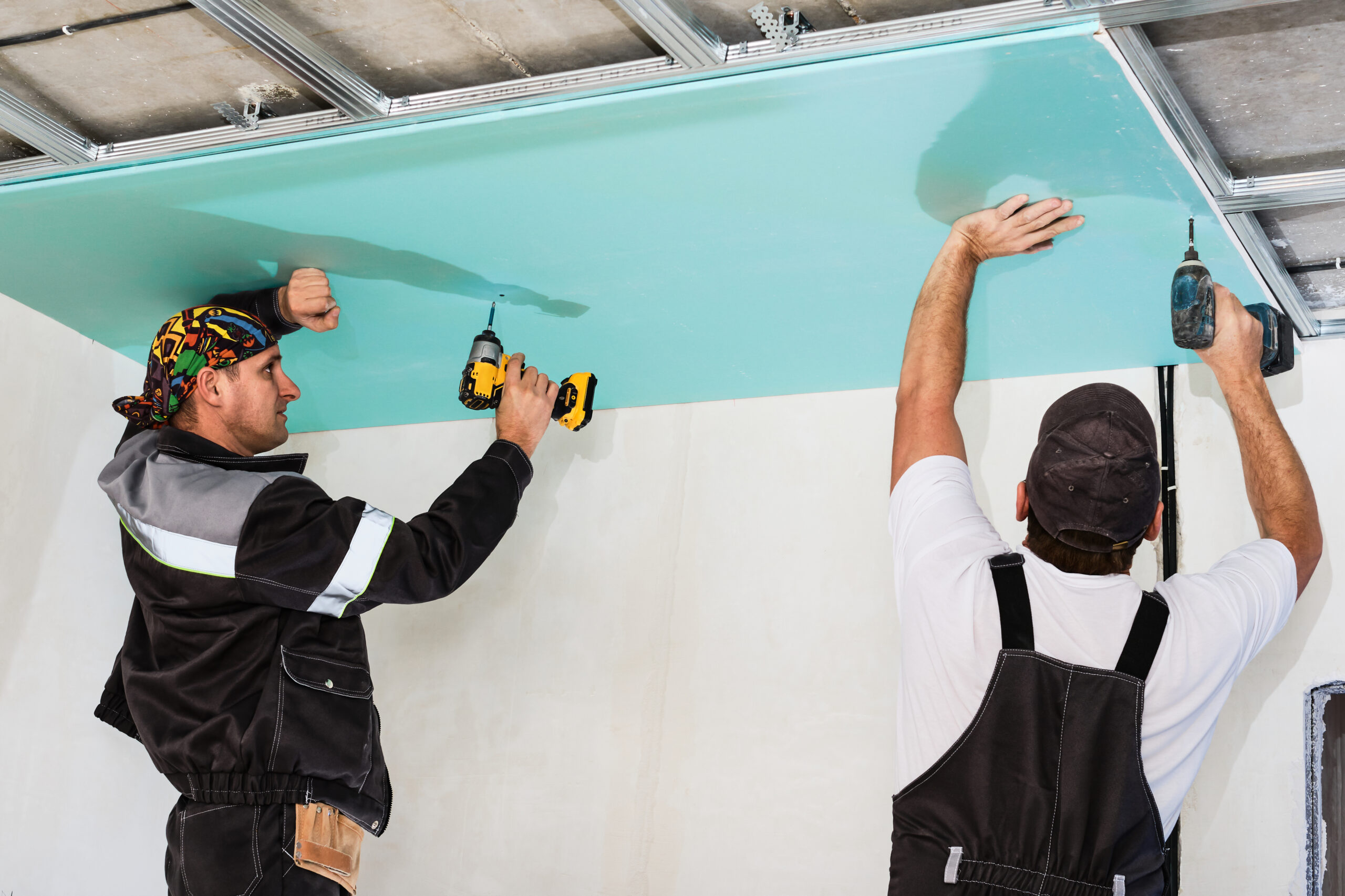
Manufacturer instructions should be followed for requirements involving preparation, adhesives, mechanical fixing, curing and finishing.
Proper preparation can require additional time, but it is an important part of achieving a consistent result.
Professional Installation Protects the Design
The more complex the panel pattern, the more important accurate installation becomes.
Corners, joints, transitions and cut-outs all require careful planning.
A small alignment error may become progressively more visible as the pattern continues across the wall.
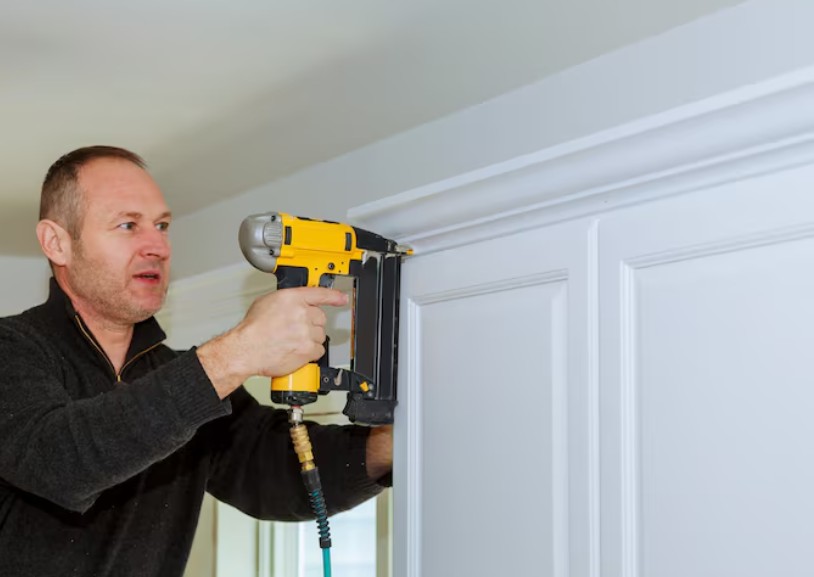
For prominent hospitality spaces, professional 3D wall panel installation in Germany can help ensure that layout, joints, transitions and finishing remain consistent across the installation.
Hotel projects can also involve several trades working within the same space.
Panel installation may therefore need to be coordinated with:
- electrical work
- lighting
- furniture installation
- decoration
- flooring
- other finishing trades
Good coordination helps prevent design decisions from being compromised during the final stages of the project.
Cleaning and Maintenance Should Be Considered Early
Hotels need surfaces that can be incorporated into routine cleaning and maintenance.
Textured walls contain more surface variation than flat painted finishes, which can affect how dust and marks accumulate and how cleaning products interact with the material.
Before specification, review the manufacturer’s cleaning recommendations and determine whether they are compatible with the hotel’s expected maintenance routine.
High-contact areas deserve particular consideration.
A decorative wall in a quiet lounge may experience very different conditions from one beside a busy entrance or corridor.
Maintenance should therefore form part of the design decision rather than being considered only after installation.
Creating a Cohesive Hotel Interior
The strongest hospitality interiors rarely depend on one decorative feature.
Different surfaces, lighting elements and architectural details work together to create a consistent environment.
Three-dimensional wall panels can add texture and architectural interest while supporting this wider concept.
A reception wall might establish the visual language of the hotel, while quieter applications elsewhere repeat selected shapes or textures without reproducing exactly the same design.
This allows 3D wall panels Germany to become part of the hotel’s identity rather than appearing as an isolated decorative addition.
For German hospitality projects, the existing architectural context should also be considered.
Historic properties, contemporary developments and converted buildings can each require a different design response.
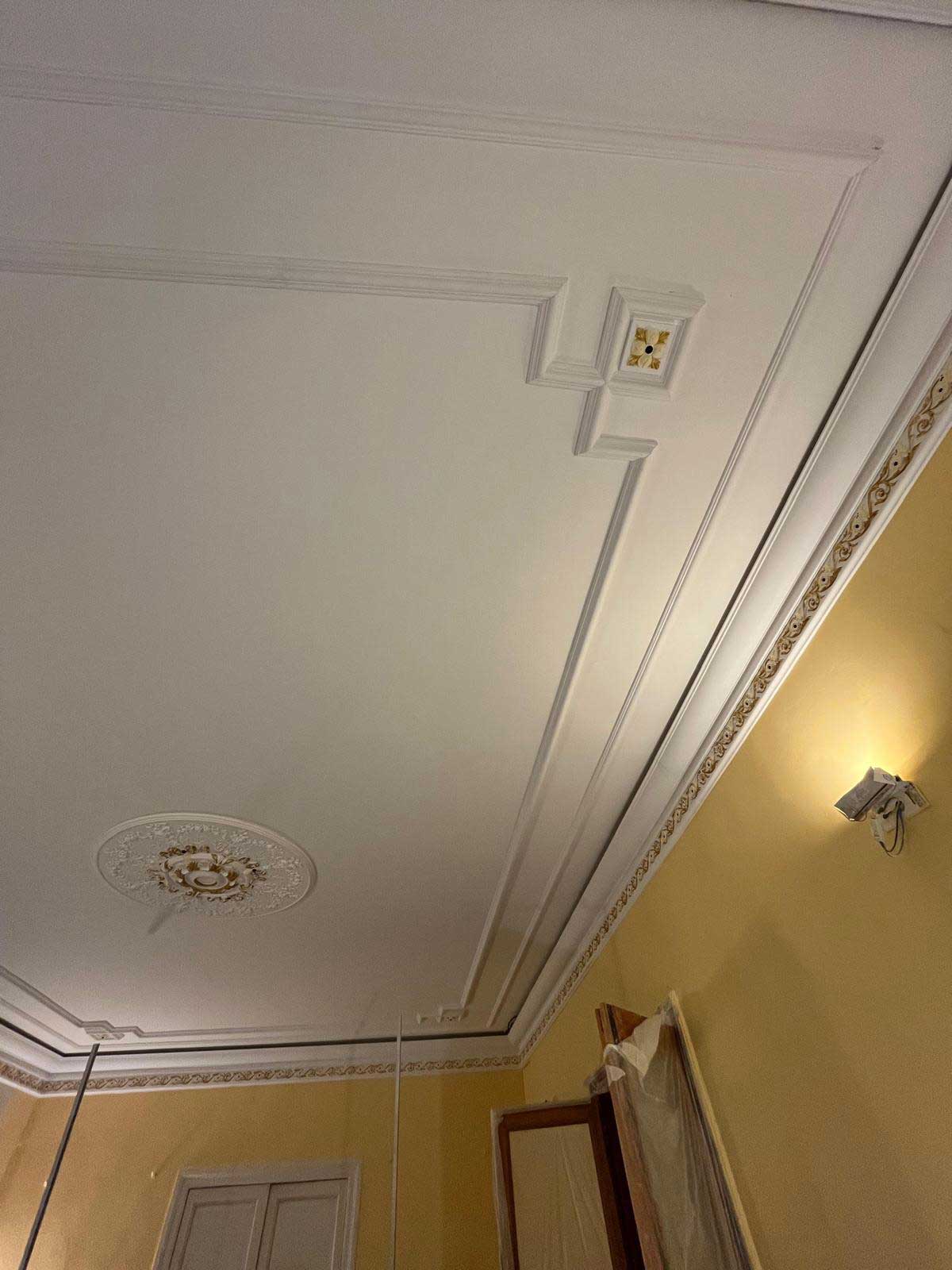
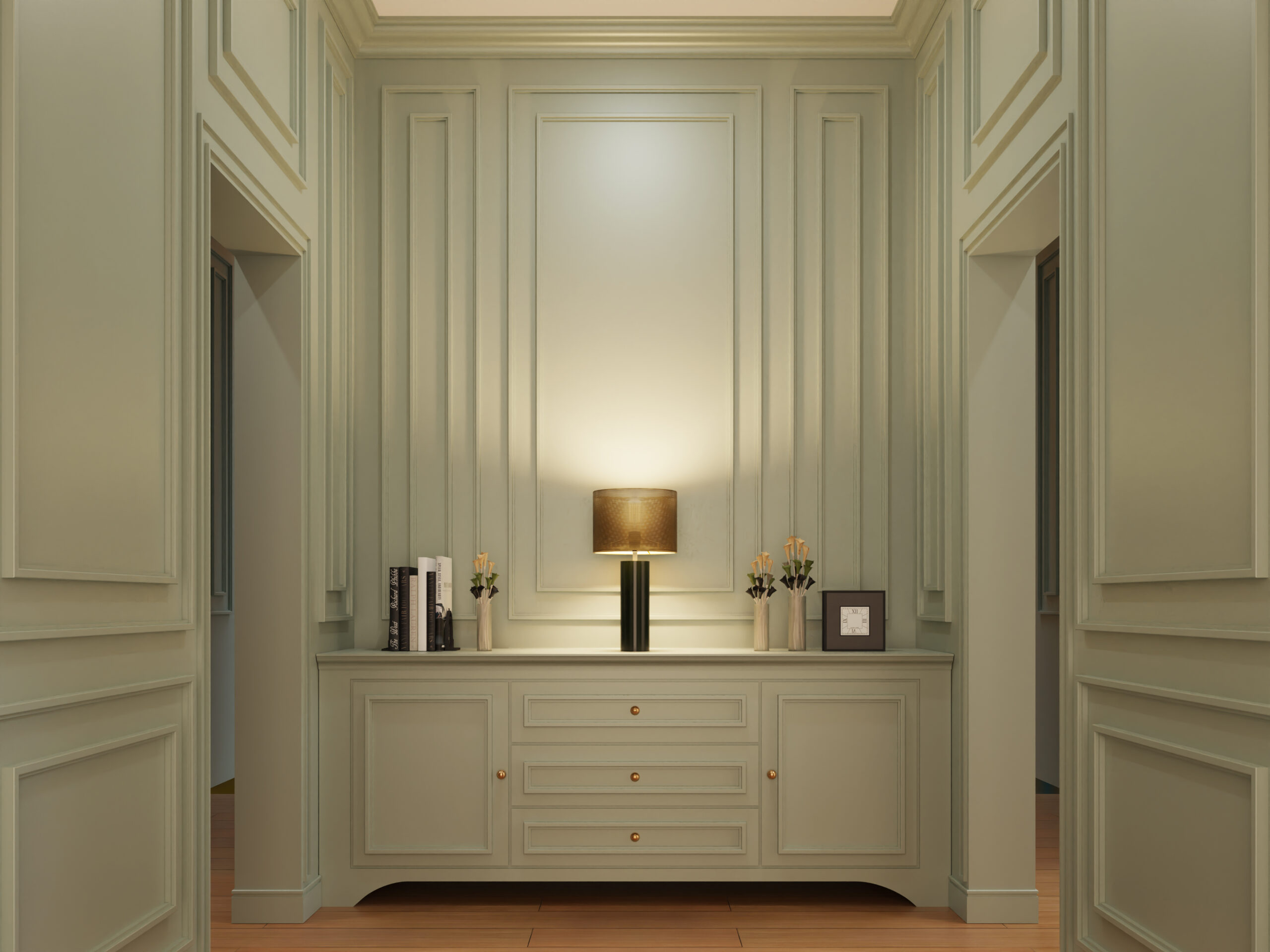
3D Wall Panels or Wall Mouldings for a Hotel?
3D wall panels are not the only way to introduce architectural interest into a hotel interior.
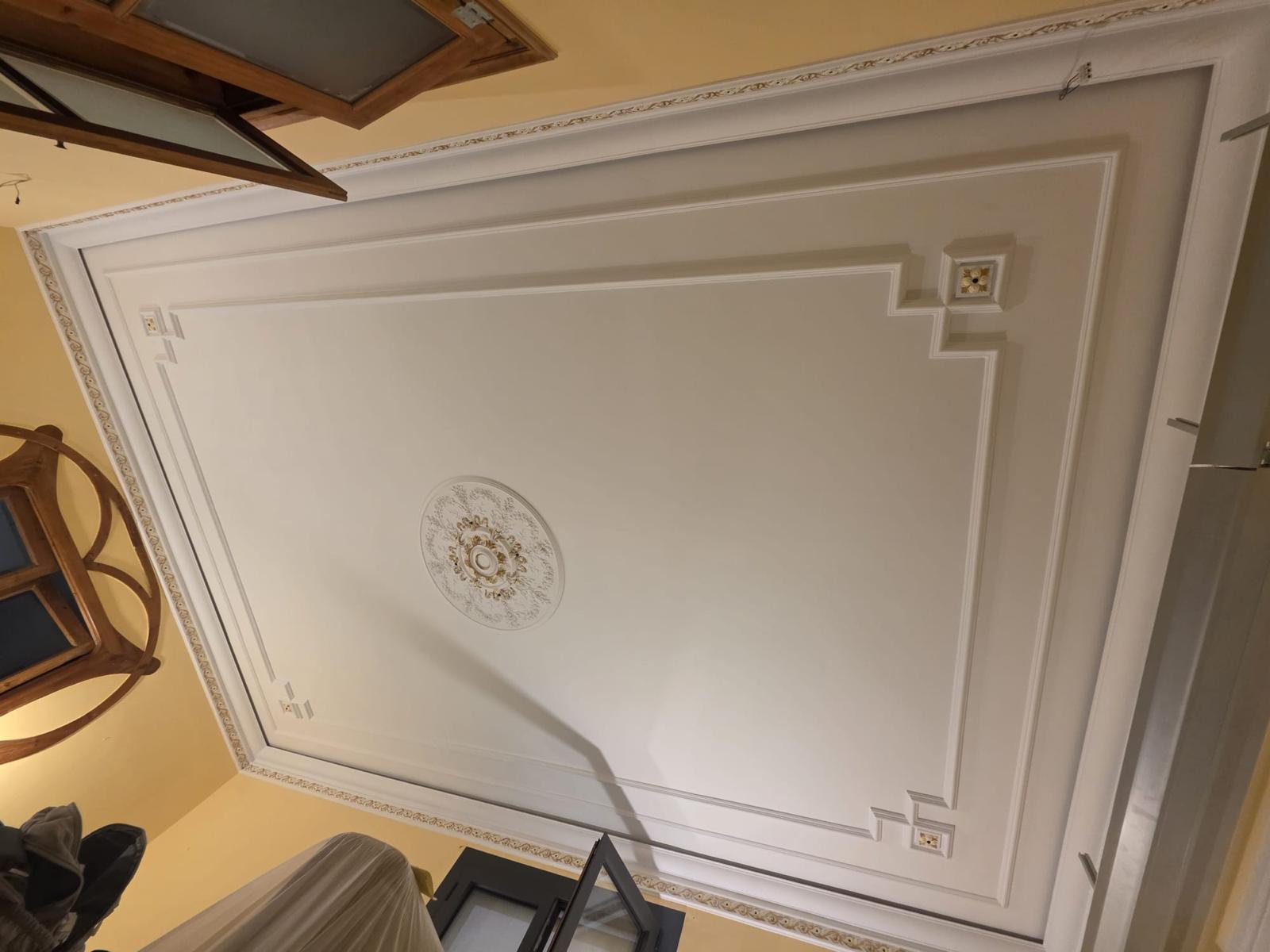
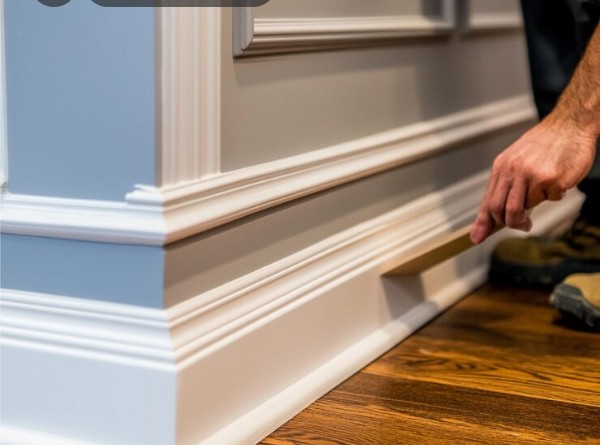
Decorative wall mouldings can provide a more linear, structured appearance, while three-dimensional panels generally create stronger texture and surface relief.
The most appropriate solution depends on the design concept, proportions of the space and desired visual effect.
If you are comparing both approaches, see our guide to wall mouldings vs 3D wall panels for hotel projects.
Frequently Asked Questions About 3D Wall Panels in Hotels
Where can 3D wall panels be used in a hotel?
They can be considered for reception areas, lounges, restaurants, bars, bedrooms, corridors and other interior spaces, provided that the selected product is suitable for the specific location and application.
Are 3D wall panels suitable for hotel bedrooms?
They can be. Feature walls behind beds are one possible application, although the panel should be selected according to the room design, maintenance requirements and relevant product characteristics.
Textured wall panels?
Not necessarily. The result depends on the depth of the pattern, colour, lighting, wall size and surrounding visual detail. Appropriate scale and positioning are more important than the simple presence of texture.
How should hotel wall panels be maintained?
Maintenance depends on the panel material and manufacturer recommendations. Cleaning requirements should be reviewed before specification so the surface can be incorporated into the hotel’s regular maintenance routine.
Is professional installation necessary?
This depends on the product and project. However, larger walls, complex patterns, detailed joints and commercial hospitality environments can benefit from experienced installation and careful coordination.
What should German hotel projects check before specifying 3D panels?
The project team should review the product documentation and determine which technical requirements apply to the specific building and installation location. Fire performance, substrate suitability, installation instructions and maintenance requirements may all need to be considered.
Final Thoughts
3D wall panels can give hotel interiors a distinctive architectural quality, but the final result depends on much more than selecting an attractive pattern.
The design should respond to the identity of the hotel, the proportions of the room and the position of the wall.
Material selection needs to reflect the environment, while lighting should be considered early because it can significantly change the appearance of the relief.
Layout planning, substrate preparation, installation quality and maintenance are equally important.
For hotel projects in Germany, these design considerations should also be combined with the product documentation and technical requirements applicable to the specific project.