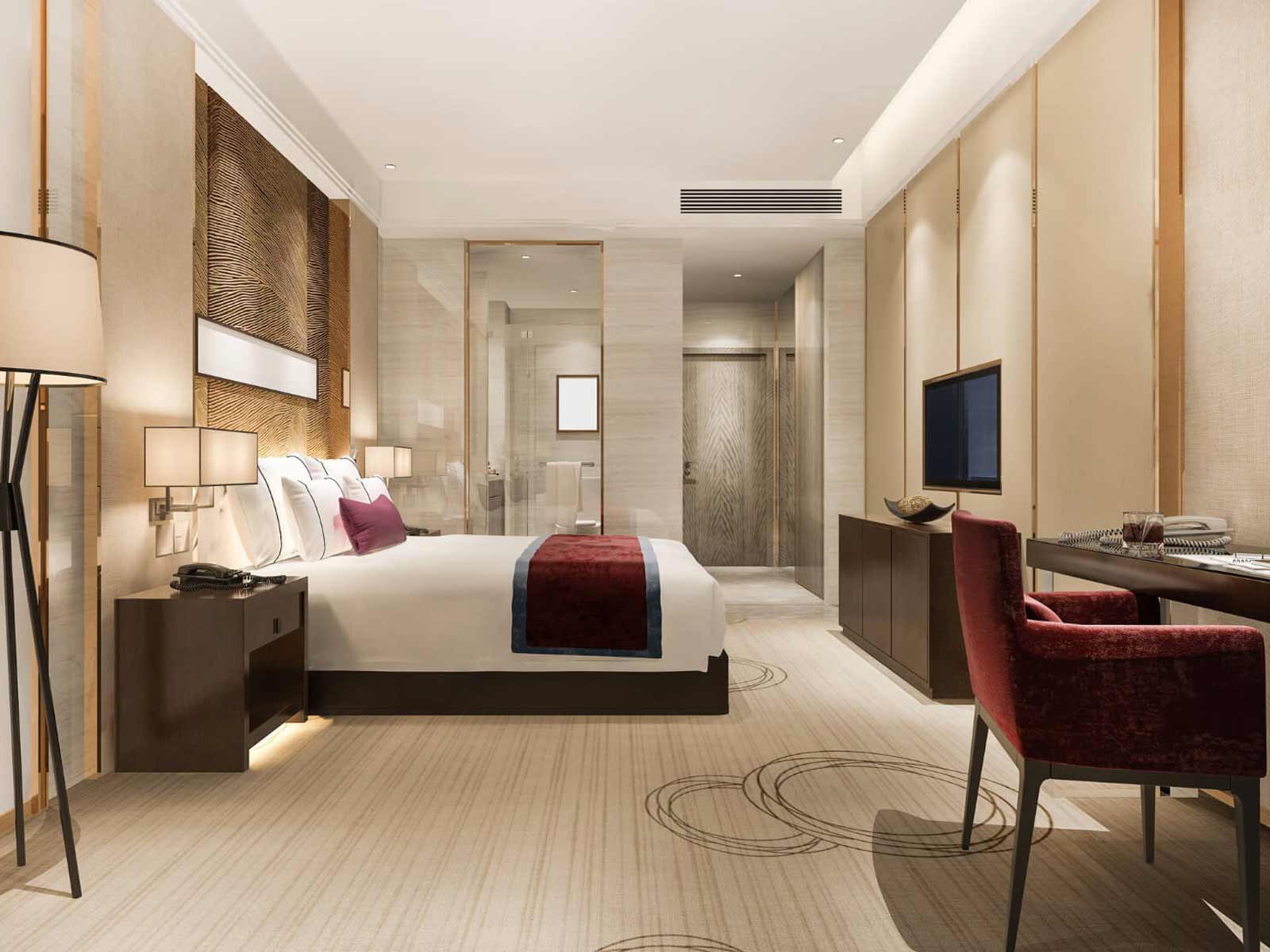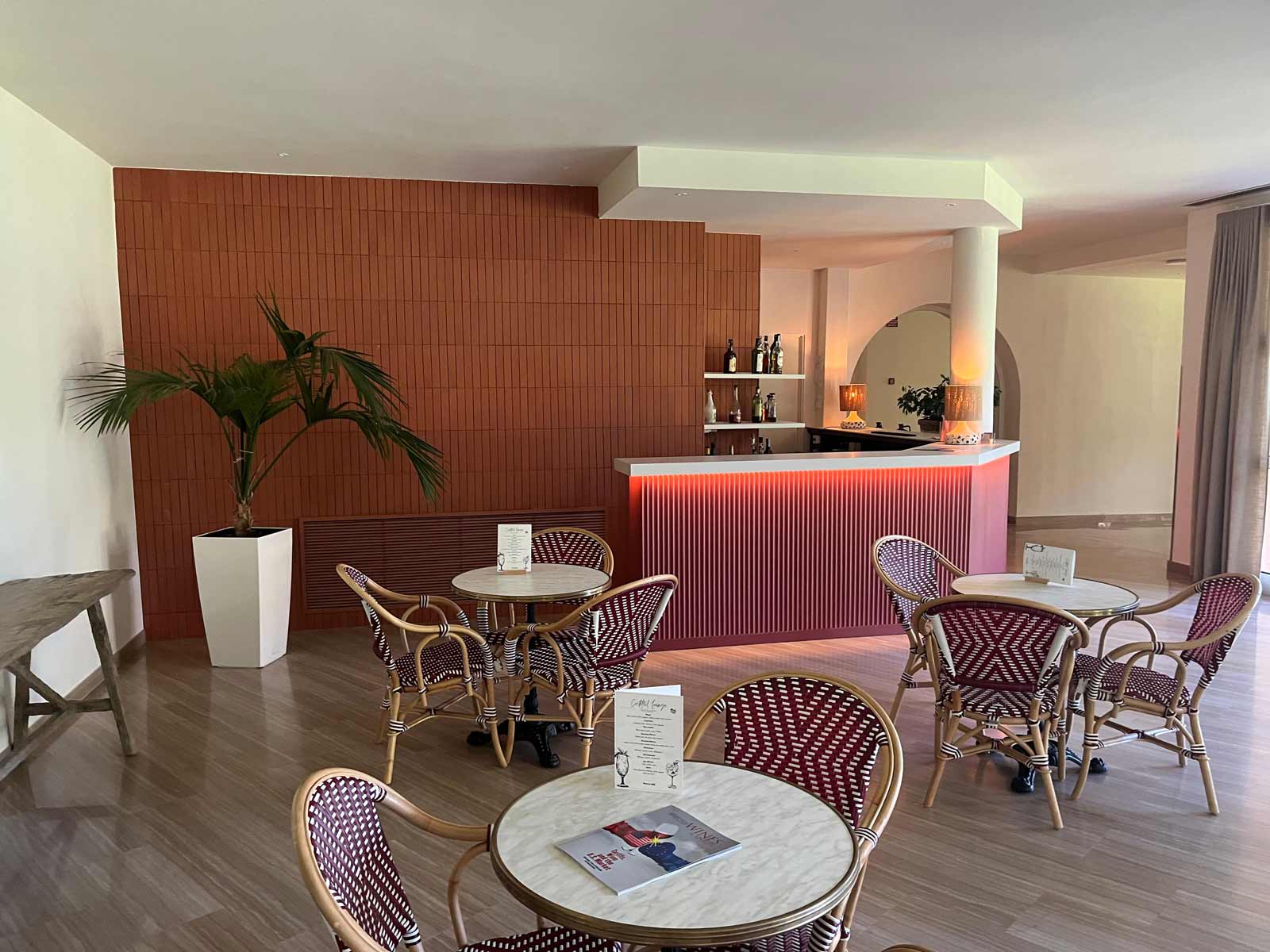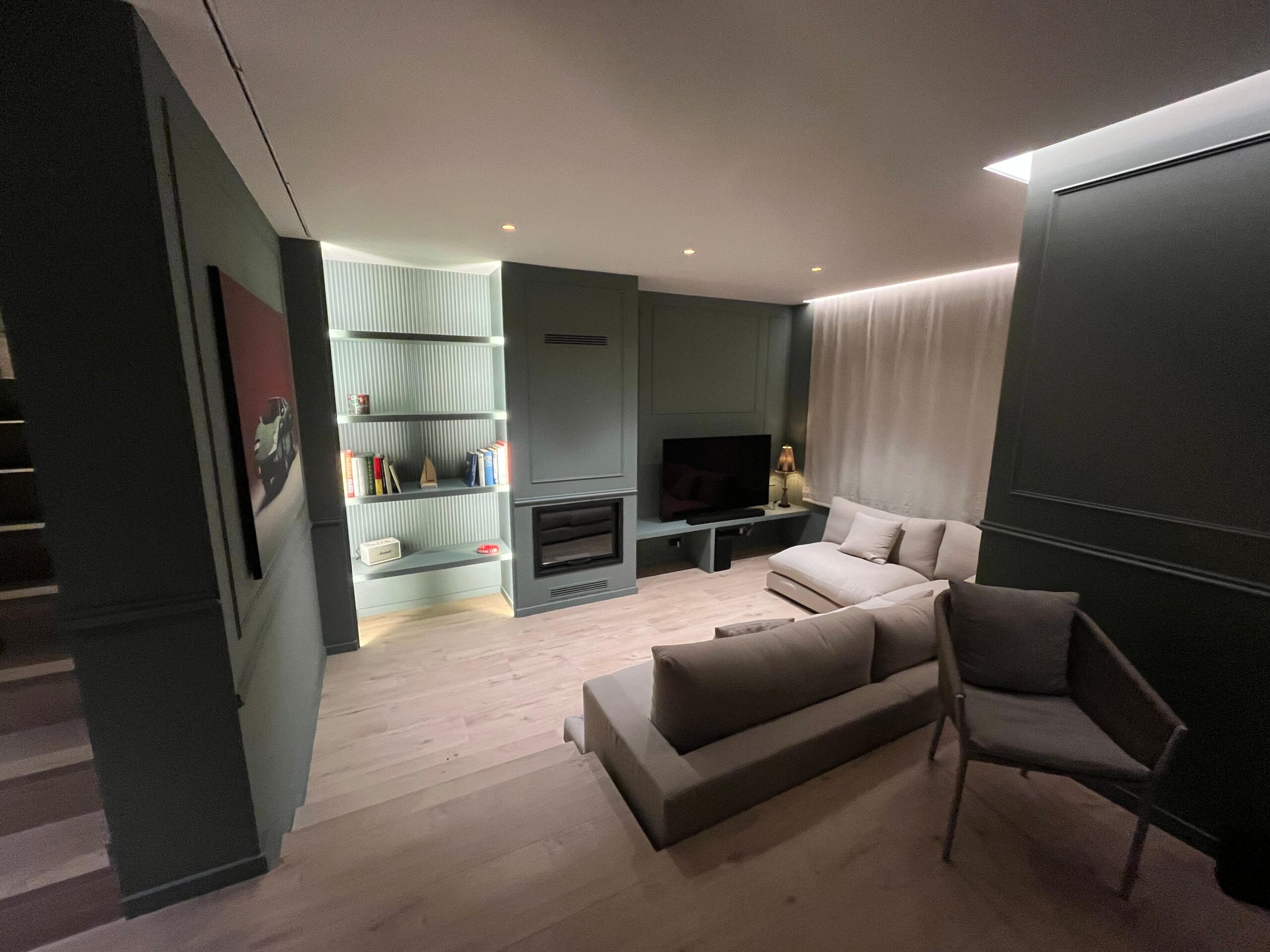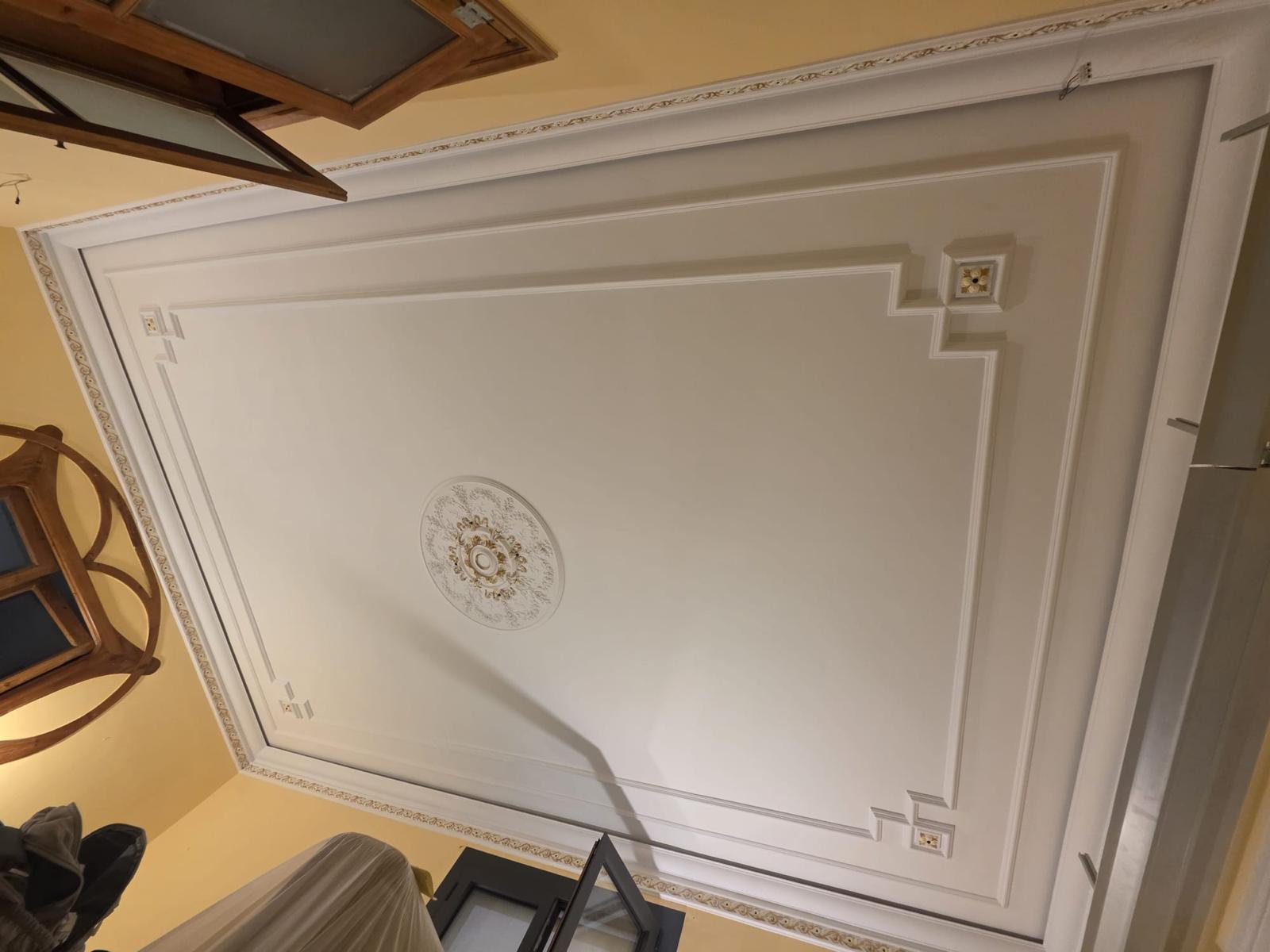
Lighting has a major influence on how a hotel or villa feels.
It can make an entrance more welcoming, create a calmer atmosphere in a bedroom, and emphasise architectural details without making the light source itself the main visual feature.
This is where indirect lighting for hotels and villas can be particularly effective.
Instead of directing light straight into the room from an exposed fitting, indirect lighting uses ceilings, walls or other surfaces to reflect illumination back into the space. The result can feel softer and more integrated with the architecture.
For premium hospitality and residential projects in Germany, however, a successful result requires more than choosing an attractive LED strip. Room function, ceiling design, lighting geometry, colour temperature, controls, architectural details and future maintenance all need to be considered together.
What Is Indirect Lighting?
Indirect lighting is a technique in which the light source illuminates another surface before the reflected light reaches the room.
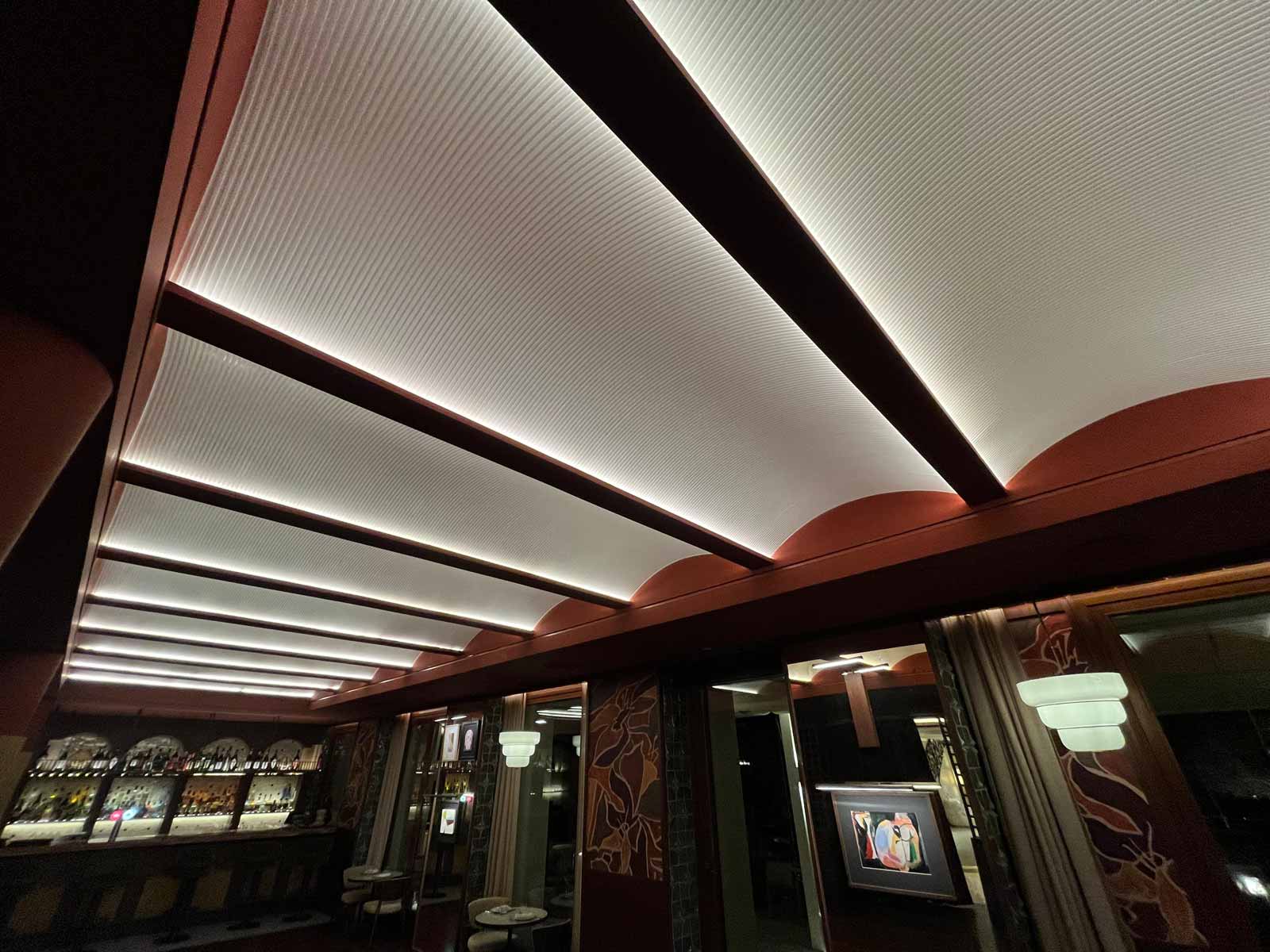
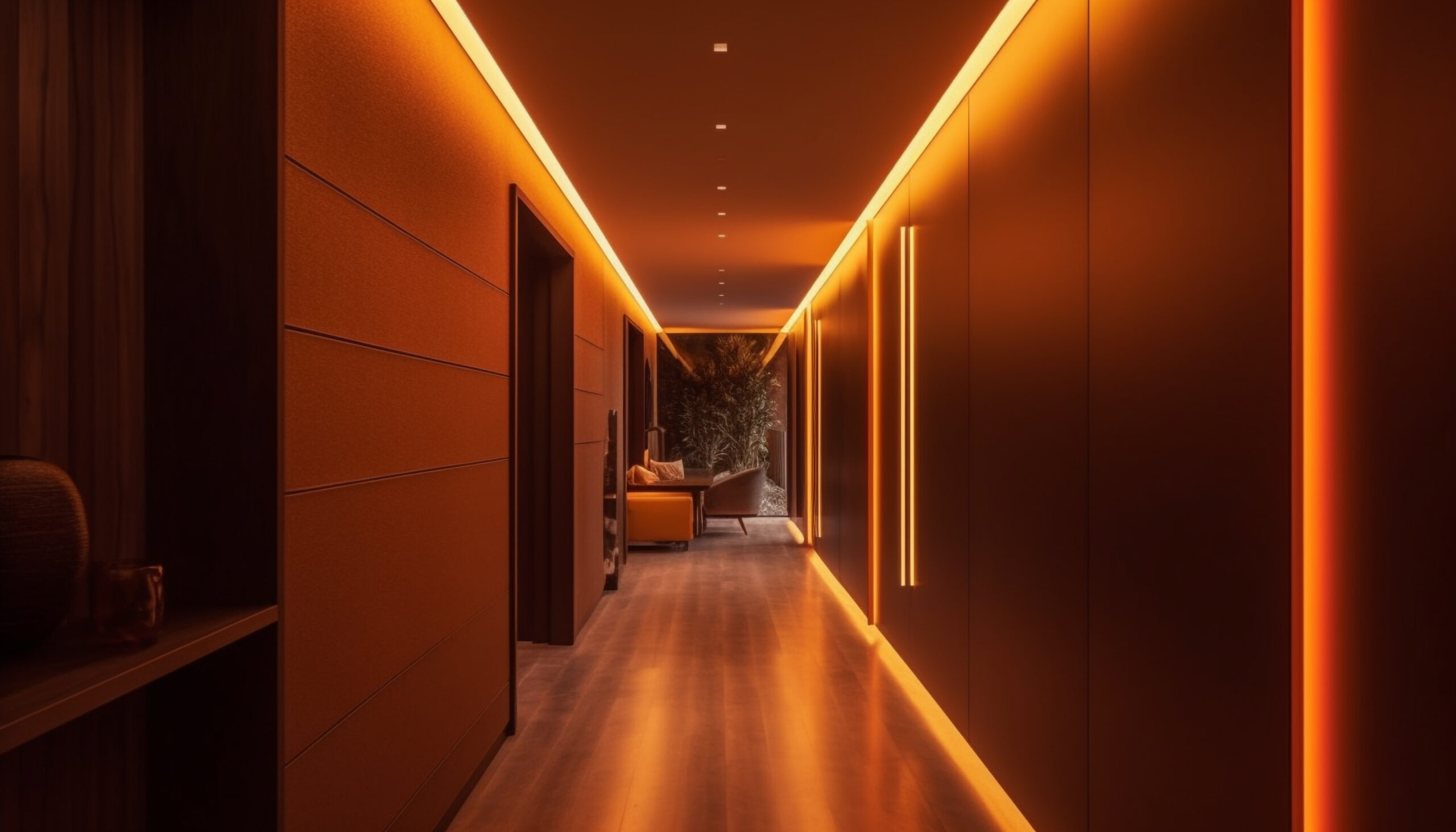
A concealed LED strip positioned within a ceiling recess or lighting cove is a common example.
Rather than pointing directly towards occupants, the LEDs illuminate the surrounding ceiling or wall. The reflected light then spreads through the space.
This reduces the visual prominence of the source itself and can produce a softer atmosphere.
Related terms include:
- cove lighting
- concealed LED lighting
- architectural lighting
- indirect LED lighting
- ambient lighting
The final effect depends on factors such as the position of the light source, the surface being illuminated, the distance between them and the characteristics of the lighting system.
Why Indirect Lighting Works Well in Hotels and Villas
Hotels and premium residential interiors often need different lighting atmospheres throughout the day.
A hotel lobby may need to feel bright and welcoming during daytime operation while becoming more atmospheric in the evening.
Bedrooms can benefit from softer background illumination at night.
Restaurants and lounges may require a more intimate environment without relying entirely on visible decorative fixtures.
Indirect lighting can support these different situations because ambient illumination can become part of the architecture rather than depending on one prominent fitting.
Architectural details can also interact with the lighting.
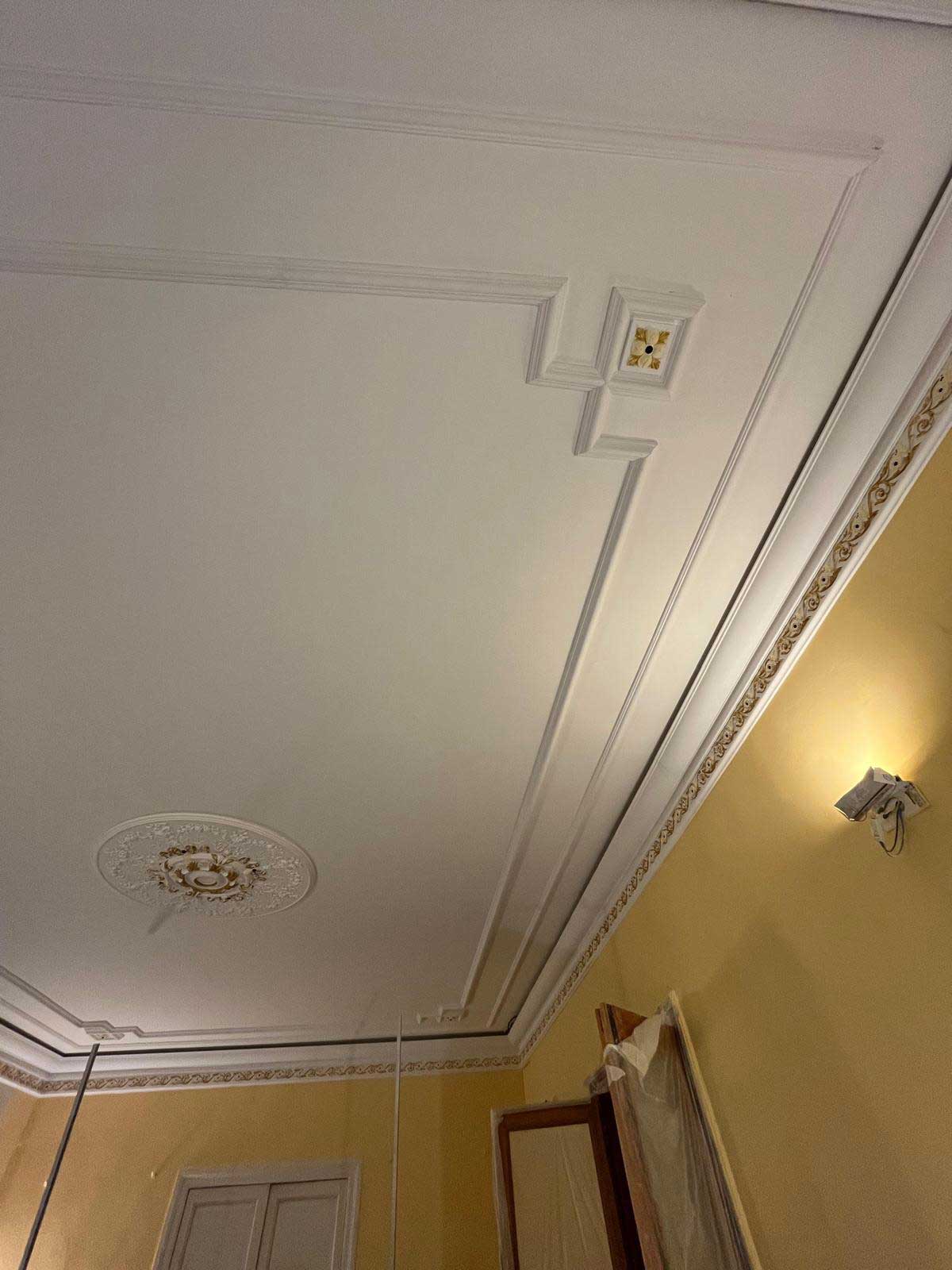
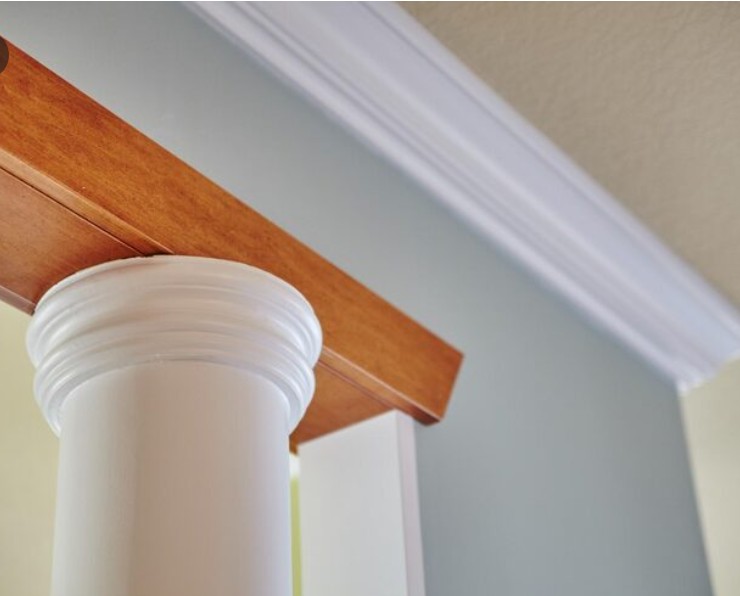
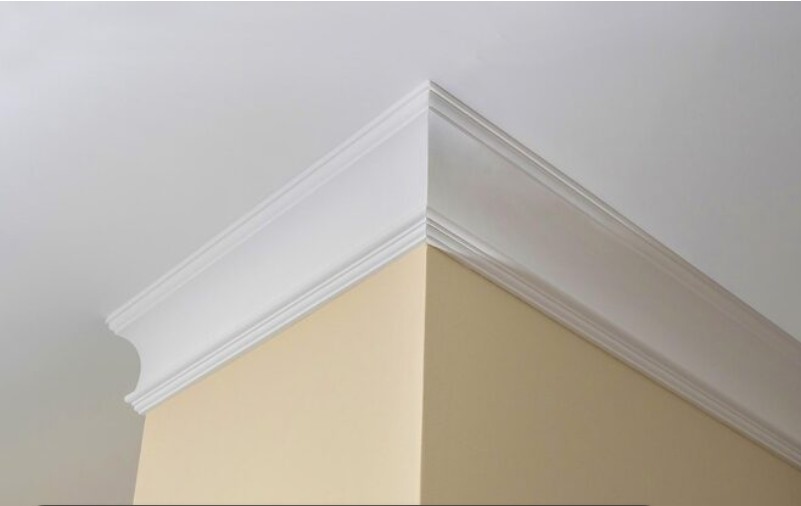
Ceiling recesses, decorative mouldings, lighting coves and selected wall details can all help shape how the light is distributed.
The objective should not simply be to make the room brighter. The lighting should support how the space is intended to look and function.
Begin With the Purpose of Each Space
The first question should be what happens in the room.
A hotel reception has different lighting requirements from a bedroom. A corridor has different priorities from a private villa lounge.
Before selecting the lighting detail, identify what people will do in the space and what atmosphere should support those activities.
In a lobby, indirect illumination can create a welcoming background layer while other fittings provide more focused functional light where necessary.
In bedrooms, concealed ceiling or wall lighting can help create a softer evening environment.
In corridors, continuous indirect light can contribute to the overall atmosphere and reinforce the visual direction of the space.
Villas require the same room-by-room thinking.
Living rooms, dining areas, bedrooms and staircases may each need a different combination of ambient, accent and task lighting.
Use Different Layers of Light
A successful lighting scheme rarely depends on one source alone.
Ambient lighting provides general illumination.
Task lighting supports activities such as reading, working, or preparing food.
Accent lighting draws attention to selected architectural features, artwork or decorative elements.
Indirect lighting is particularly useful as part of the ambient layer.
For example, a concealed lighting cove can create a soft glow across the ceiling while more focused fixtures illuminate tables, artwork or circulation areas.
This layered approach gives designers more control over how a space feels at different times.
In premium interiors, it can also help the lighting support the architecture instead of visually dominating it.
Plan the Architectural Detail Before Installation
Concealed lighting works best when the surrounding architectural detail has been planned around the intended lighting effect.
A recess, cove or decorative profile needs sufficient space for the proposed system and an appropriate relationship with the illuminated surface.
Geometry matters.
The depth of the detail, position of the light source, and distance to the ceiling or wall all influence how evenly the light is distributed.
Poor positioning can result in visible LED points, uneven illumination, or shadows that were not part of the intended design.
For this reason, architectural detailing and electrical lighting design should be coordinated before ceilings and finishes are completed.
Where the project uses decorative lighting profiles or coving, you can also explore LED coving and indirect lighting installation in Germany to understand how these architectural elements can be integrated into a premium interior.
Select the LED System Carefully
LED technology is widely used for concealed lighting because it can provide compact and controllable illumination.
However, different LED systems can create very different visual results.
The specification may need to consider factors such as:
- colour temperature
- brightness
- colour rendering
- spacing between LEDs
- profile and diffuser
- power requirements
- driver compatibility
- lighting controls
The required atmosphere should guide the specification.
A warm appearance may suit bedrooms and lounges, while other areas may require a different lighting approach.
The decision should be made as part of the complete lighting concept rather than from an isolated LED sample.
Electrical components and systems should be specified and installed by the appropriate professionals for the project.
Consider Colour Temperature Across the Interior
Colour temperature influences how a room is perceived.
Warmer light is often associated with relaxing and hospitality-focused environments, while cooler illumination can create a more functional appearance.
There is no single colour temperature that suits every hotel or villa.
A guest bedroom, reception lounge and functional service area may each require a different approach.
What matters is creating a coherent lighting palette across connected spaces.
Abrupt changes between adjoining areas can make the interior feel disconnected, particularly where rooms are visible from one another.
Lighting characteristics should therefore be considered across the wider project rather than room by room in isolation.
Avoid Visible LED Hotspots
One common problem with concealed lighting is uneven illumination.
When individual LED points become visible on the ceiling or wall, the intended continuous glow can be lost.
Instead of a smooth wash of light, the viewer sees repeated bright areas.
Several aspects of the design influence this effect:
- LED spacing
- diffuser type
- profile design
- position of the light source
- distance from the illuminated surface
- geometry of the cove or recess
Testing a sample section can help identify problems before completing a large installation.
This can be especially valuable in reception areas, hotel corridors, or prominent villa interiors where indirect lighting becomes an important architectural feature.
Integrate Lighting With Architectural Features
Indirect illumination can do more than provide general ambient light.
It can reinforce architectural transitions and highlight selected details.
A recessed ceiling can become a subtle illuminated plane.
A decorative wall can gain depth when softly lit from above.
A curved architectural feature can become more visible when the lighting follows its form.
This approach can be particularly effective in hotels, where guests experience the interior from different distances and at different times of day.
The architectural feature should still work visually when the lighting is switched off.
The illumination should enhance the design rather than compensate for an architectural detail that does not work without it.
Plan Lighting Controls and Scenes
Hotels and villas often benefit from flexible lighting controls.
Different activities may require different illumination levels.
A hotel lobby may use one scene during the day and a softer setting during the evening.
A villa bedroom could use separate lighting conditions for reading, relaxing and preparing for sleep.
Controls can therefore form part of the lighting strategy.
Before installation, the project team should determine where dimming, switching, zoning or automated control is required.
Compatibility between the LEDs, drivers and control equipment should also be checked during specification.
The objective is to ensure that the finished system can actually provide the lighting scenes that were planned during the design stage.
Think About Maintenance From the Beginning
Concealed lighting can appear very discreet once installed, but the components may still require maintenance in the future.
LED strips, drivers, and control equipment can eventually need attention.
If components are hidden behind permanent construction without considering future access, relatively simple maintenance can become unnecessarily difficult.
Hotels need to consider this carefully because guest-facing lighting may operate for extended periods.
A sensible design balances concealment with accessibility.
Maintenance requirements and access should therefore be discussed before the architectural detail is closed and finished.
Coordinate Architectural and Electrical Work
Indirect lighting often sits between several areas of a project.
The decorative cove or architectural profile forms part of the interior finish, while the LEDs, drivers, wiring and controls form part of the electrical lighting system.
These elements need to work together.
For projects using LED coving or lighting profiles, dimensions and positions should be coordinated with the lighting design before installation.
Electrical requirements should be handled by the relevant qualified project professionals.
Early coordination helps avoid situations where a finished architectural detail does not provide enough space or the correct geometry for the planned lighting system.
Consider the Requirements of the German Project
Hotel and villa projects in Germany should be planned according to the requirements that apply to the specific property and installation.
Electrical work, building construction, fire protection and related technical considerations can depend on the building, product, location and intended application.
Product documentation should therefore be reviewed rather than assuming that a particular LED system, driver, profile or concealed detail is suitable for every project.
Where substantial renovation or new construction is involved, lighting designers, electrical professionals and other relevant specialists should coordinate the technical aspects.
This becomes especially important when architectural lighting is integrated permanently into walls or ceilings.
Use Samples and Mock-Ups When Possible
Lighting can be difficult to evaluate from technical specifications or photographs alone.
A sample installation allows the project team to see how the light interacts with the actual surface, paint colour, ceiling geometry and architectural detail.
For larger hotel or villa projects, visualisation and mock-ups can also help stakeholders understand the difference between direct lighting and concealed illumination before construction progresses.
Images of completed projects can provide useful inspiration, but they cannot replace project-specific testing.
The same lighting system can produce a noticeably different result depending on room proportions, surface finish and installation geometry.
A sample, mock-up or lighting test can therefore be a valuable part of the planning process.
Frequently Asked Questions About Indirect Lighting
What is indirect lighting for hotels and villas?
Indirect lighting directs light towards another surface, such as a ceiling or wall, so reflected illumination provides a softer ambient layer within the room.
Is indirect LED lighting suitable for hotel bedrooms?
It can be when correctly planned as part of the wider lighting scheme. The appropriate solution depends on the room, desired atmosphere and technical requirements of the project.
Can indirect lighting make an interior feel more refined?
It can contribute to a refined visual atmosphere by reducing the prominence of the light source and highlighting architectural surfaces. The result depends on the complete lighting and interior design rather than the lighting system alone.
Does indirect lighting replace other ceiling lights?
Not necessarily.
It commonly forms one layer within a broader lighting strategy. Functional, task and accent lighting may still be required depending on the room.
How can visible LED hotspots be reduced?
LED spacing, diffuser design, profile geometry, and the distance between the light source and illuminated surface all affect uniformity. Testing the proposed arrangement can help identify hotspots before the full installation is completed.
Should indirect lighting be dimmable?
Dimming can provide useful flexibility where different lighting scenes are required. The LEDs, drivers and control system need to be compatible with the intended control strategy.
Is concealed lighting difficult to maintain?
It can become difficult if future access is not considered during design. Maintenance and accessibility should therefore form part of the planning process before components are concealed.
Final Thoughts
Indirect lighting can give hotels and villas a softer architectural atmosphere while allowing ceilings, walls and decorative details to become part of the lighting experience.
The strongest results come from considering illumination as part of the architecture from the beginning.
Room function, ceiling geometry, lighting specification, colour temperature, control strategy, maintenance access and technical requirements all influence the final result.
For premium projects in Germany, coordination is particularly important.
Interior detailing, architectural profiles and electrical lighting systems should be planned together so that the concealed lighting does not simply disappear into the building, but produces the intended visual effect.