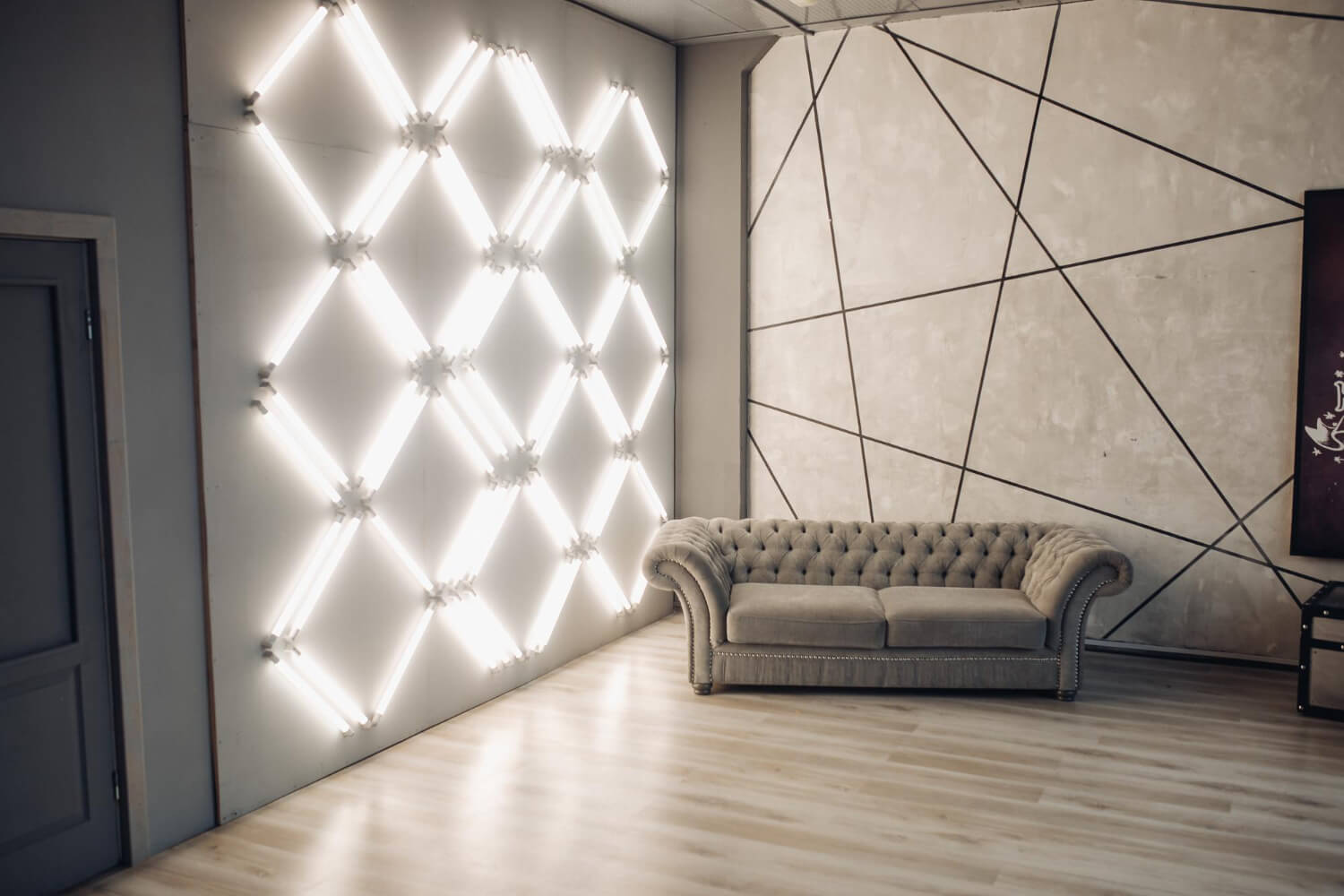
Choosing a wall finish for a hotel is not only a question of style. The right solution also needs to work with the architecture, lighting, furniture, guest experience, and practical demands of the space.
Two options that can completely change the character of an interior are wall mouldings and 3D wall panels.
Wall mouldings create structure through lines, frames, and architectural detailing. 3D wall panels add texture, relief, and stronger visual movement.
Neither is automatically better.
For a boutique hotel, luxury apartment development, or high-end hospitality project, the right choice depends on what you want each space to achieve. A calm guest suite may need something very different from a reception desk, restaurant entrance or statement wall in a lobby.
Here is how to compare the two before making a decision.
Wall Mouldings vs 3D Wall Panels: What Is the Main Difference?
The simplest difference is the way they interact with the wall.
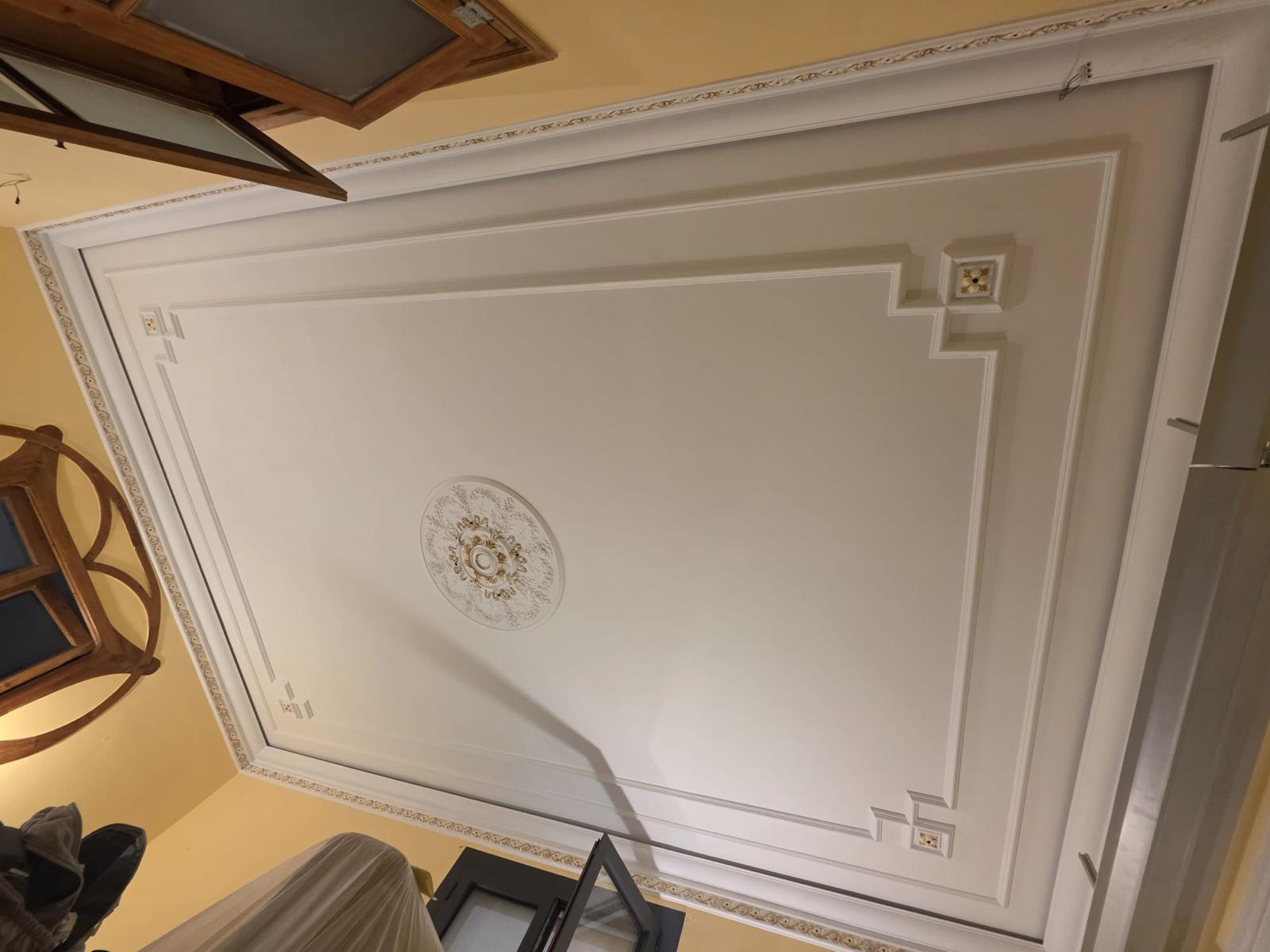
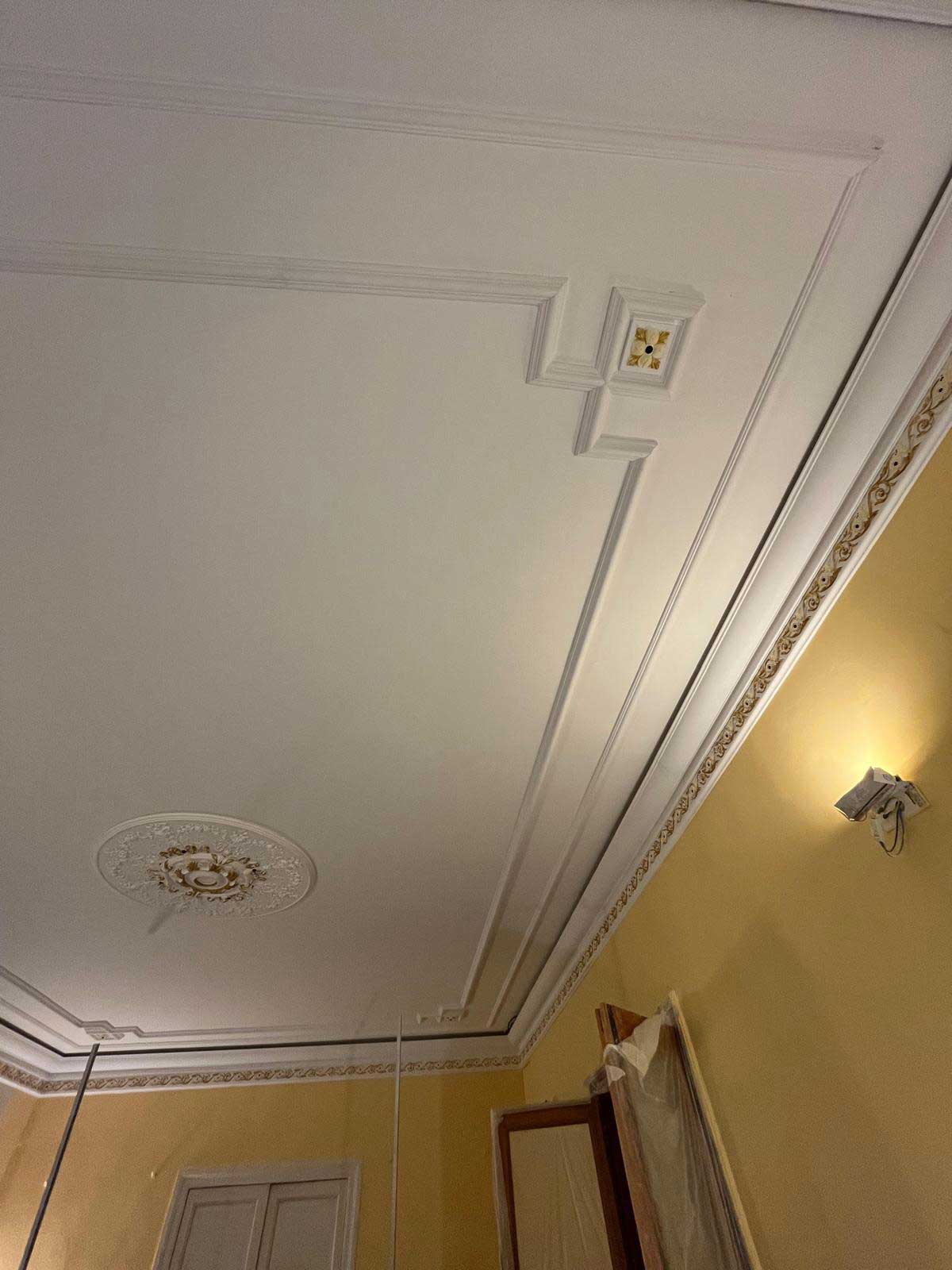
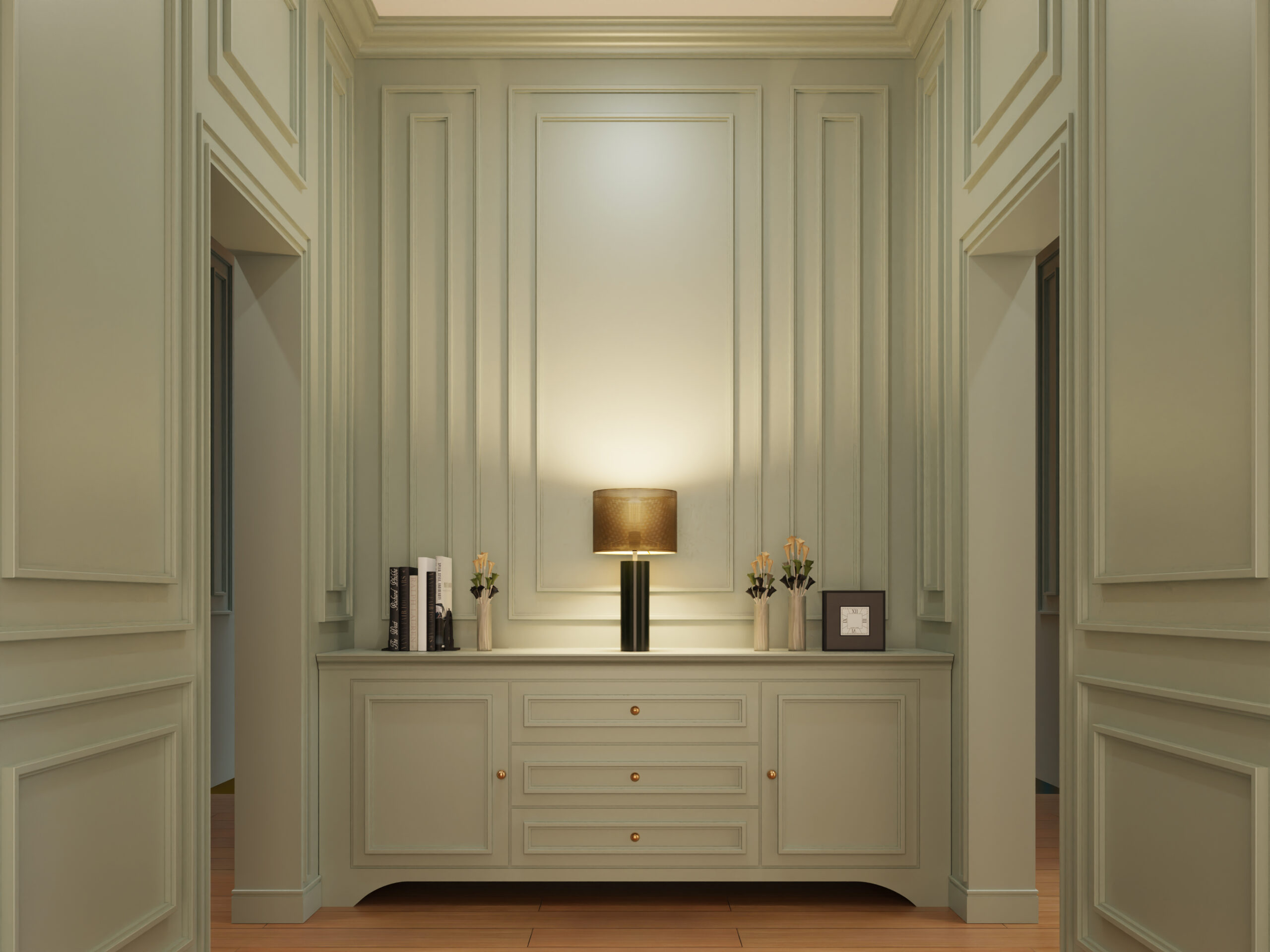
Wall mouldings use decorative profiles to create frames, borders, panels or linear compositions. Rather than covering the entire surface, they organise the wall and give it architectural structure.
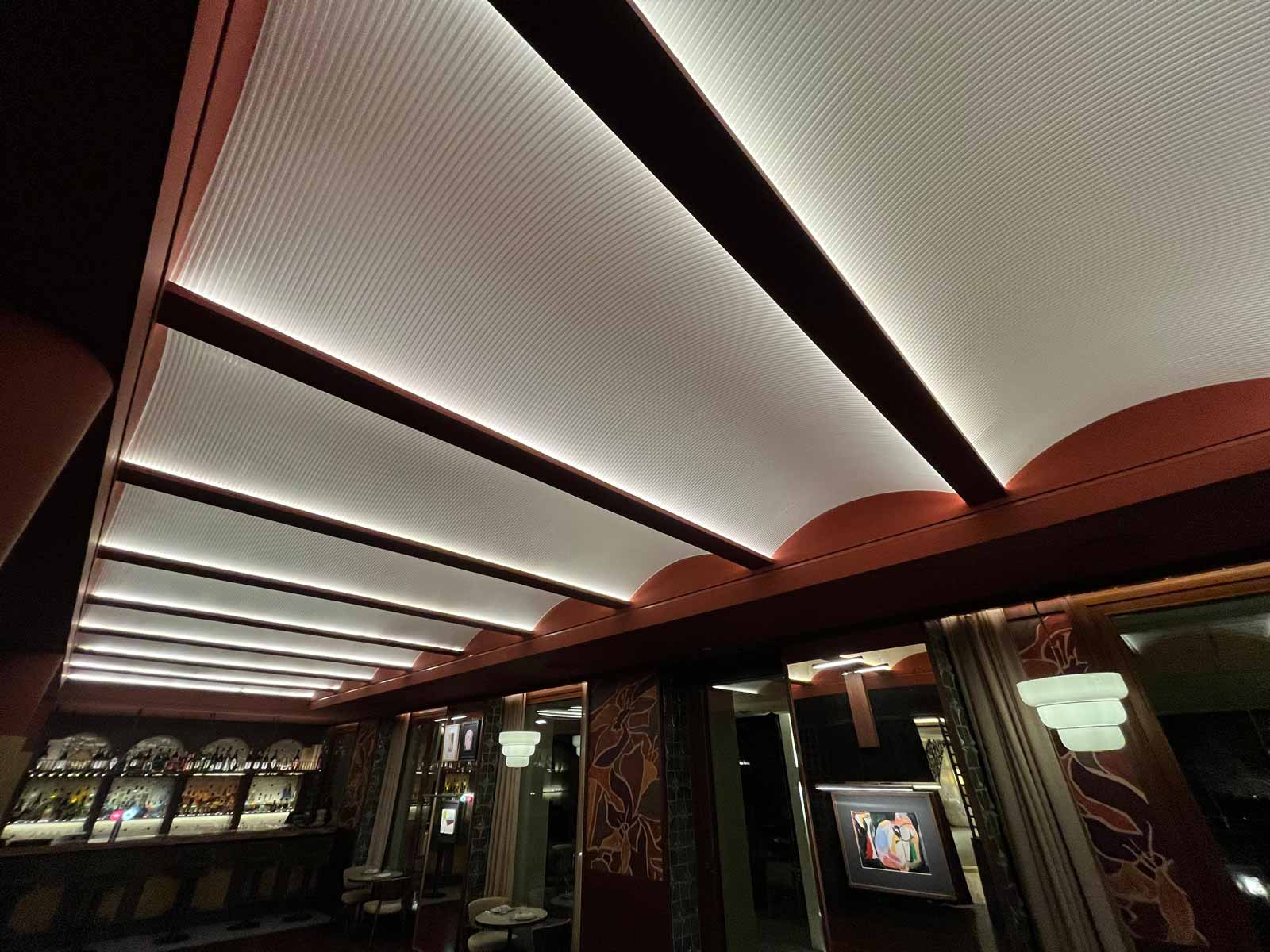
3D wall panels create a textured surface with raised or recessed patterns. They tend to make the wall itself a stronger visual feature.
In design terms, wall mouldings generally emphasise proportion and architecture, while 3D wall panels emphasise texture and visual impact.
This distinction is particularly useful in hotels, where not every room or wall should compete for attention.
Which Creates the Right Look for a Hotel?
The answer depends largely on the design concept.
Wall mouldings can work particularly well when the project calls for a refined, timeless or understated atmosphere. They can suit classic interiors, but they are not limited to traditional hotels.
Slim profiles, simple rectangular frames and monochromatic finishes can also work extremely well in contemporary hospitality spaces.
3D wall panels tend to have a stronger presence. They can suit interiors where you want a feature wall to become part of the visual identity of the space.
For example, textured panels can work effectively behind a reception desk, in a lounge or on a focal wall where lighting can emphasise their relief.
The question is therefore not simply, “Which one looks more luxurious?”
A better question is:
Do you want the wall to structure the room or become a feature in itself?
Wall Mouldings for Hotel Rooms and Suites
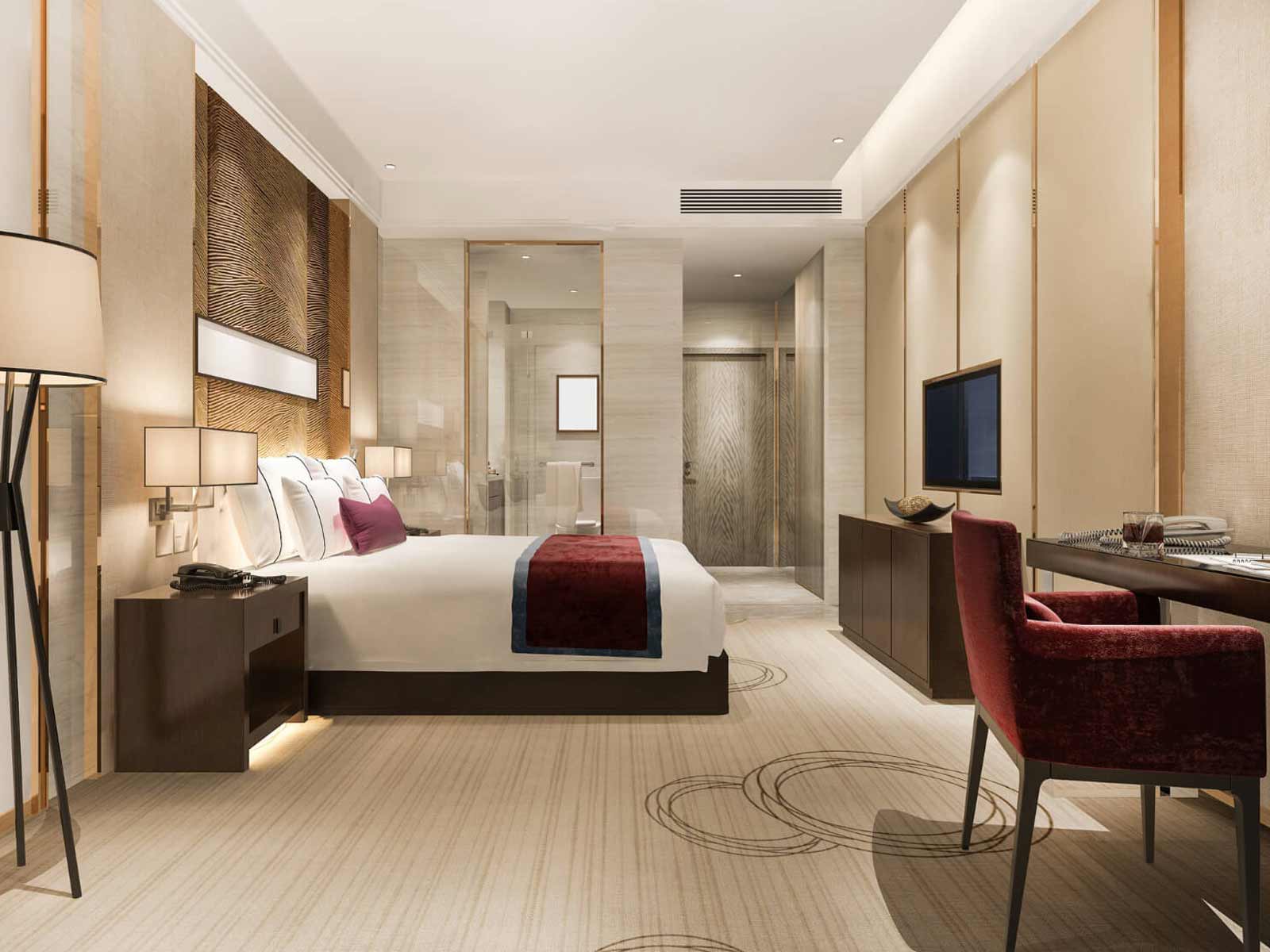
Guest rooms usually need a more controlled visual balance than public areas.
The bed, headboard, bedside lighting, artwork, curtains and furniture already create several focal points. Adding an overly dominant wall treatment can make the room feel busy.
This is where wall mouldings can work particularly well.
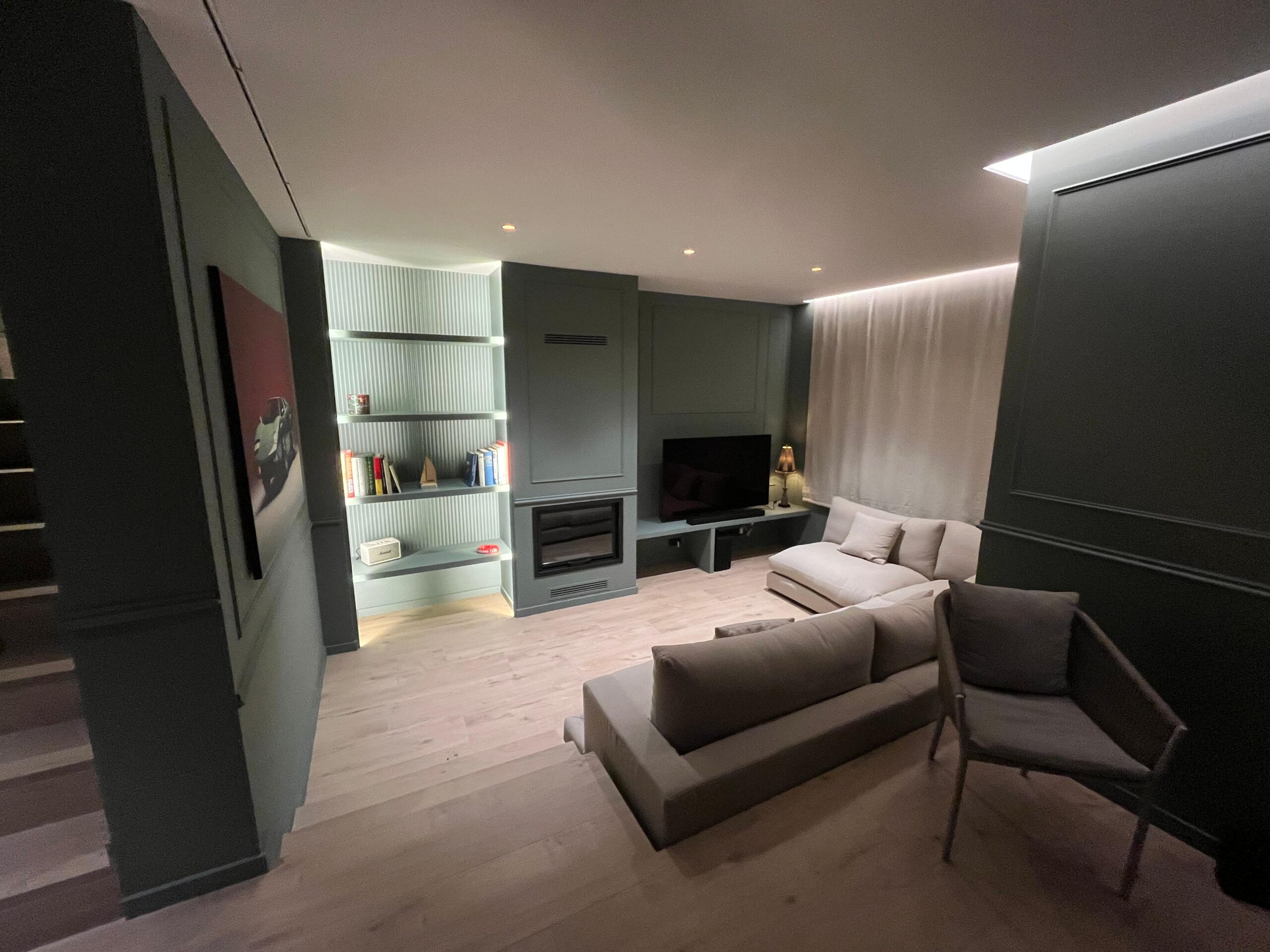
They can introduce detail without taking over the room. For example, moulding frames can help organise the wall behind a bed, create symmetry around bedside lighting or give a large plain wall more depth.
Painting the mouldings in the same colour as the wall can make the effect even more subtle. The architecture is then defined mainly through light and shadow.
For suites and premium apartments, mouldings can also be repeated across several rooms to create a consistent architectural language.
3D Wall Panels for Hotel Feature Walls
3D wall panels are often most effective when they are used selectively.
Their texture naturally attracts attention, which makes them suitable for areas where a stronger visual statement is intentional.
In a hospitality project, that could include:
- The wall behind a reception desk
- A hotel lobby focal point
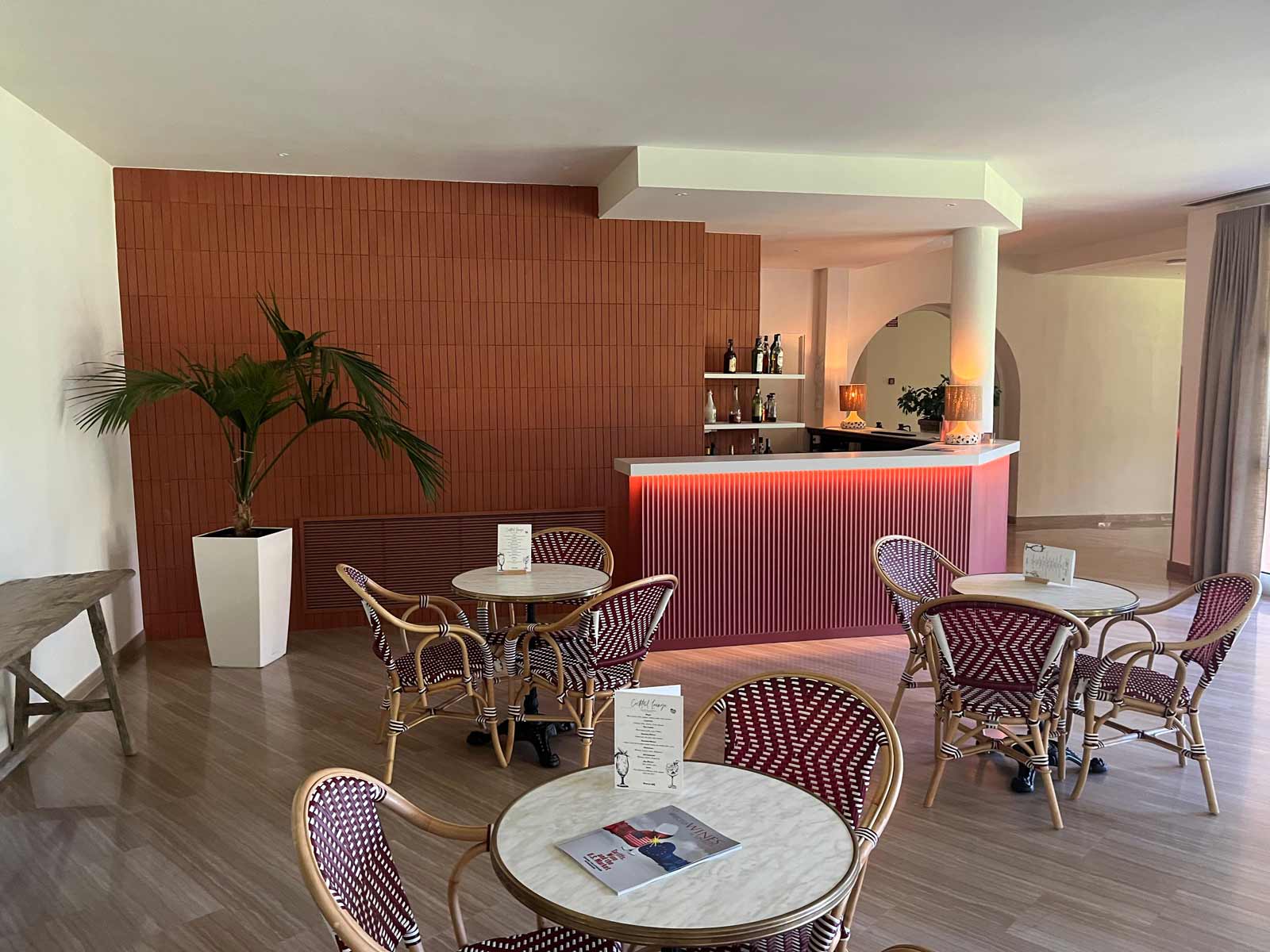
- A lounge or bar area
- A restaurant entrance
- A feature wall behind a bed
- Selected corridors or transition areas
The aim is not necessarily to cover as many surfaces as possible.
A single wall moulding and 3D wall panel solutions can have more impact than repeating a highly textured finish throughout the entire hotel.
In smaller guest rooms, especially, too much relief can make the space feel visually crowded.
Which Option Works Better with Lighting?
Lighting should be considered before choosing either solution.
Both wall mouldings and 3D panels create shadows, but they behave differently.
Wall mouldings generally produce finer, more controlled lines of shadow. With soft wall lighting or natural daylight, this can create depth without making the wall visually dominant.
3D panels usually create stronger contrasts because the surface projects further from the wall. Directional lighting can make those shapes much more noticeable.
This can be very effective in hotel lobbies, lounges or reception areas.
However, stronger lighting also makes installation details easier to see.
Misaligned patterns, uneven joints, or inconsistencies in the surface can become particularly obvious when light runs across the wall.
For that reason, the lighting plan and decorative wall design should ideally be coordinated rather than treated as separate decisions.
Consider the Size and Proportions of the Space
Scale matters.
A decorative treatment that works in a large reception area may feel excessive in a compact hotel bedroom.
Wall mouldings can generally be adapted more easily to different wall sizes because the spacing, profile width and panel dimensions can be adjusted to suit the room.
Large spaces can carry broader frames and stronger profiles. Smaller spaces may benefit from thinner mouldings and simpler compositions.
With 3D panels, the scale of the pattern also matters.
Large or deep geometric relief can have a strong presence. On a generous lobby wall this may be exactly the intention, while in a small bedroom the same treatment could dominate the space.
Always judge the design as part of the complete room rather than from a small material sample.
How Do Furniture and Fixed Elements Affect the Choice?
Hotels have many elements that need to coexist on the same wall.
Headboards, bedside tables, televisions, switches, sockets, wall lights, wardrobes, doors and built-in furniture all influence the final composition.
Wall mouldings need enough space to create balanced panels without being awkwardly interrupted.
3D wall panels also require careful planning where the texture meets sockets, screens, joinery, doors or corners.
This becomes especially important when the same design is repeated across multiple hotel rooms.
Before deciding between the two systems, compare the wall treatment with the final furniture and electrical layouts.
A wall may look perfectly balanced on its own but completely different once the room is furnished.
Which Is Easier to Repeat Across Multiple Hotel Rooms?
Consistency matters in hospitality projects.
A design may need to be repeated across several bedrooms, suites or corridors, but the dimensions are not always identical.
Wall mouldings allow the proportions of a composition to be adjusted to suit individual walls while maintaining the same overall design language.
3D wall panels can also be repeated effectively, particularly when they use a modular pattern. However, careful planning is required where that pattern reaches corners, doors, furniture or changes in wall dimensions.
For larger projects, establishing a reference wall or approved layout before full installation can help maintain consistency.
This gives the architect, designer, contractor and installer a clear standard to follow.
What About Maintenance in a Hotel?
Maintenance should be considered during the design stage, not after installation.
A decorative finish in a private apartment usually faces very different conditions from one in a hotel corridor or public area.
Wall mouldings with simple profiles are relatively straightforward surfaces, although horizontal edges and more decorative profiles can collect dust.
3D wall panels can contain deeper grooves and relief, depending on the design. More complex textures may require greater attention during cleaning.
Location matters as much as the material itself.
A feature wall behind a reception desk is not exposed to the same level of contact as a treatment positioned in a narrow corridor where luggage, furniture and cleaning equipment regularly pass close to the surface.
For high-traffic hospitality areas, durability and ease of maintenance should carry as much weight as visual impact.
Do Materials Make a Difference?
Yes, but the design should not be chosen solely from the material name.
Wall mouldings and 3D panels are available in different materials and finishes, and those choices can influence their appearance, weight, durability, preparation requirements and finishing process.
For a hotel project, consider how the selected system fits with the intended use of the space and with any technical requirements established by the project team.
If specific fire-safety, acoustic or building-performance requirements apply, these should be checked against the relevant product documentation before the material is approved.
The important point is that a visually suitable design still needs to be appropriate for its actual location and use.
Wall Mouldings or 3D Panels for Different Hotel Areas?
There is no reason every area of a hotel needs the same wall treatment.
In fact, using the two solutions according to the role of each space can create a more coherent result.
| Hotel area | Wall mouldings |
3D wall panels |
| Guest rooms | Ideal for controlled architectural detail | Best used selectively as a feature |
| Suites | Suitable for elegant, repeated compositions | Useful for distinctive focal walls |
| Lobby | Can create structured, refined backgrounds | Strong option for statement surfaces |
| Reception | Works well for architectural framing | Effective behind reception desks |
| Corridors | Suitable when proportions are simple and consistent | Better when texture will not overpower narrow spaces |
| Restaurants & lounges | Good for elegant wall rhythm | Useful for creating stronger visual zones |
This is not a fixed rule. The architecture and wider interior concept should always guide the final decision.
Can Wall Mouldings and 3D Wall Panels Be Used Together?
Yes, and in a hotel project this can sometimes be more effective than choosing only one.
For example, wall mouldings could establish a consistent architectural language across bedrooms and corridors, while selected 3D walls create stronger focal points in the lobby, lounge or reception.
The key is restraint.
If both solutions have complicated patterns, strong colours and prominent lighting, they can easily compete with each other.
A more balanced approach is to let one element provide structure and the other provide emphasis.
Repeating compatible colours, proportions or shapes can also help different decorative treatments feel part of the same interior concept.
Common Mistakes When Choosing Between the Two
One of the most common mistakes is deciding from a product sample without considering how the treatment will look across an entire wall.
Other problems include choosing a pattern that is too large for the room, ignoring furniture and lighting positions, using strong 3D textures on too many surfaces or selecting moulding proportions that do not relate to the architecture.
Installation details can also be underestimated.
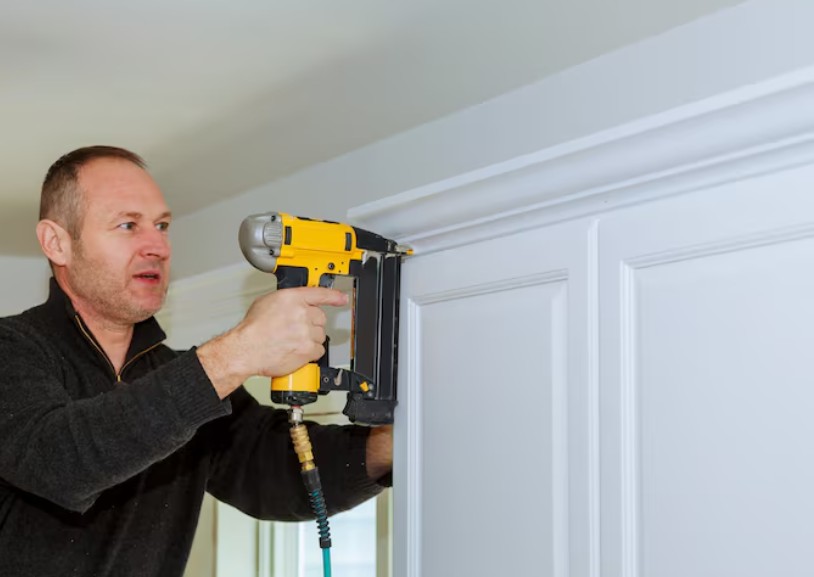
Wall mouldings depend heavily on accurate lines, corners and joints. Repeating 3D panels need careful alignment so that patterns continue correctly across the surface.
In a premium hotel, small inconsistencies are easier to notice because the surrounding finishes, furniture and lighting are designed to a high standard.
So, Which Is Better for a Hotel Project?
Neither option is better in every situation.
Choose wall mouldings when you want architectural structure, controlled detailing and a refined finish that can work across several rooms without becoming dominant.
Choose 3D wall panels when you want texture, stronger visual movement or a feature surface designed to attract attention.
And consider using both when different parts of the hotel have different visual roles.
A guest suite does not need to communicate in the same way as a reception area. The best hotel interiors use decorative elements according to the purpose of the space rather than applying one solution everywhere.
Frequently Asked Questions
Are wall mouldings suitable for modern hotels?
Yes. Contemporary moulding designs can use slim profiles, simple geometric frames and monochromatic finishes. They do not need to create a traditional or classical appearance.
Are 3D wall panels suitable for hotel bedrooms?
Yes, although they are often most effective when used selectively. A feature wall behind a bed can introduce texture without making the entire room feel overly busy.
Which option is more suitable for a hotel lobby?
It depends on the design concept. Wall mouldings can create an elegant architectural background, while 3D panels can make a stronger focal feature. Lobby size, lighting and furniture should all influence the decision.
Which wall treatment is easier to maintain?
It depends on the profile and surface. Simple mouldings can be relatively easy to clean, while deeply textured 3D panels may need more attention. The location and level of traffic are also important.
Can wall mouldings and 3D panels be installed in the same hotel?
Yes. Using them in different areas can help create variation while maintaining a coherent design, provided their proportions, colours and overall style are coordinated.
Should the installer be involved before the final design is approved?
For larger or more complex projects, early coordination can be useful. Reviewing drawings, wall dimensions, furniture and lighting before installation can help identify practical issues before the decorative layout is finalised.
Make the Choice Based on the Space, Not the Trend
Wall mouldings and 3D wall panels can both add depth and character to a premium hotel interior, but they achieve it in very different ways.
Wall mouldings are particularly effective when you want the architecture to feel more structured and refined. 3D panels are stronger when the wall itself needs to become a visual feature.
The most convincing result comes from considering the complete interior: room proportions, lighting, furniture, guest movement, maintenance and the way each area should feel.
If you are planning a hotel, luxury apartment or other premium interior project, Molduras Faura can review your drawings and project requirements to assess the installation of wall mouldings, 3D wall panels or a combination of both.