Hotel wall design is not only about choosing an attractive decorative finish.
A reception area, guest bedroom, restaurant and corridor all have different proportions, lighting conditions, traffic levels and visual functions. A wall treatment that works perfectly in one space may feel excessive, impractical or visually weak in another.
Decorative wall mouldings and 3D wall panels are two ways to introduce architectural character into 3D wall panels for hotels, but they create very different effects.
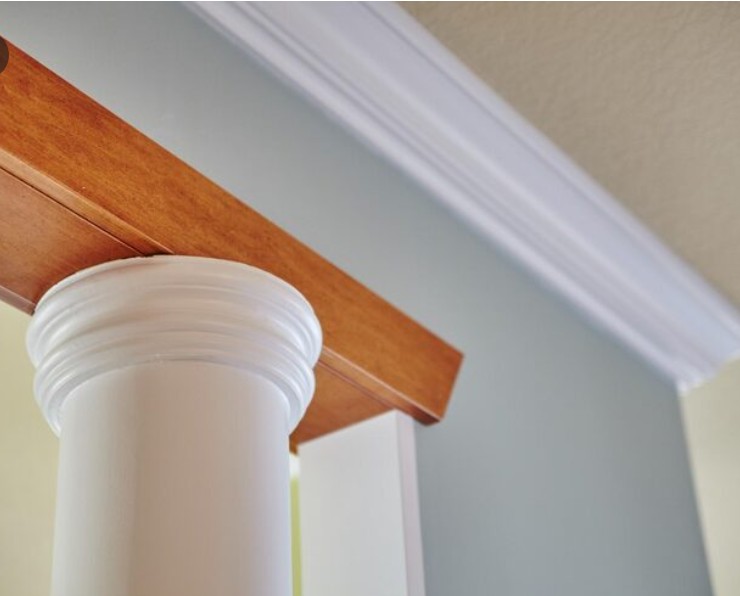
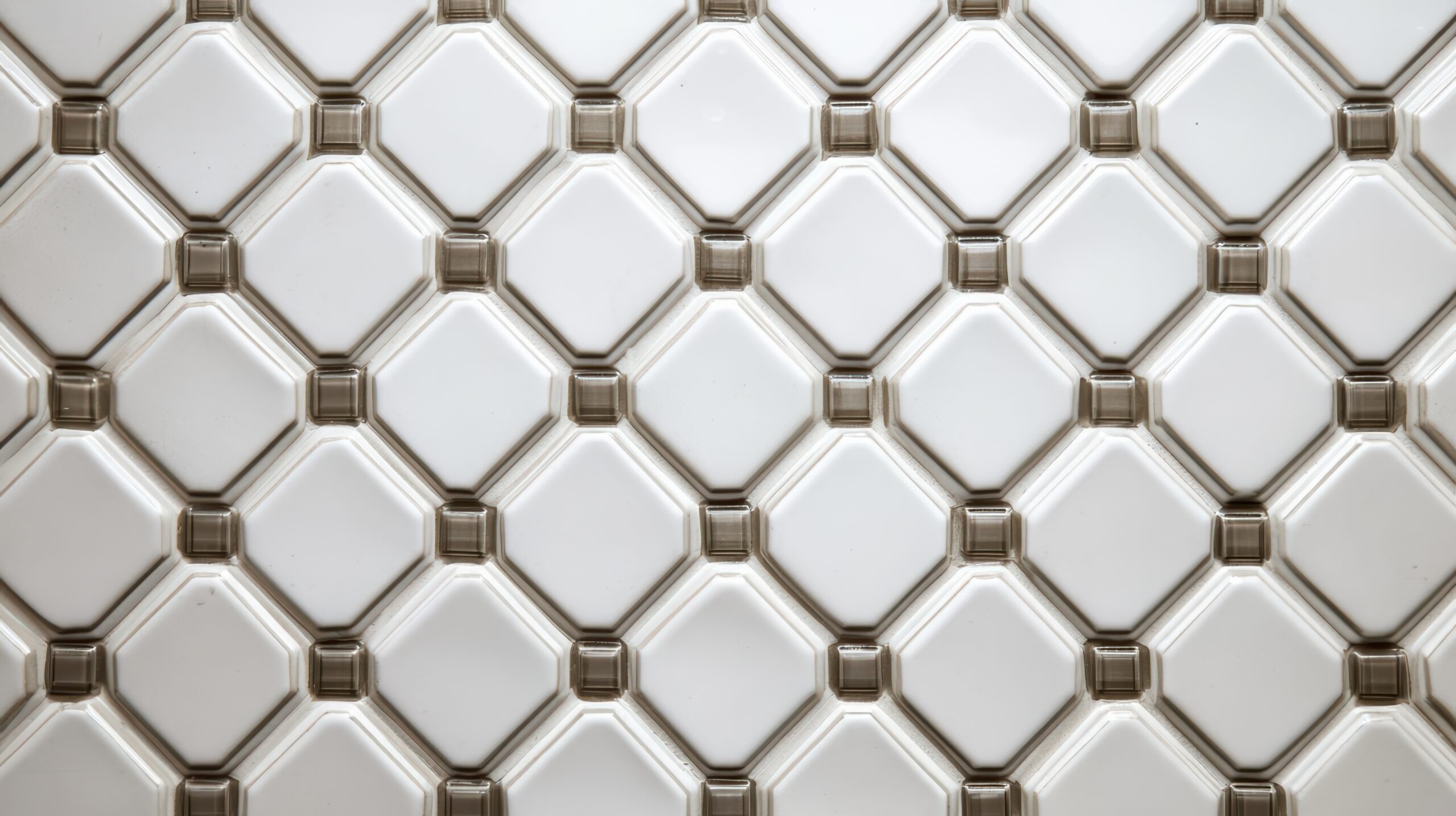
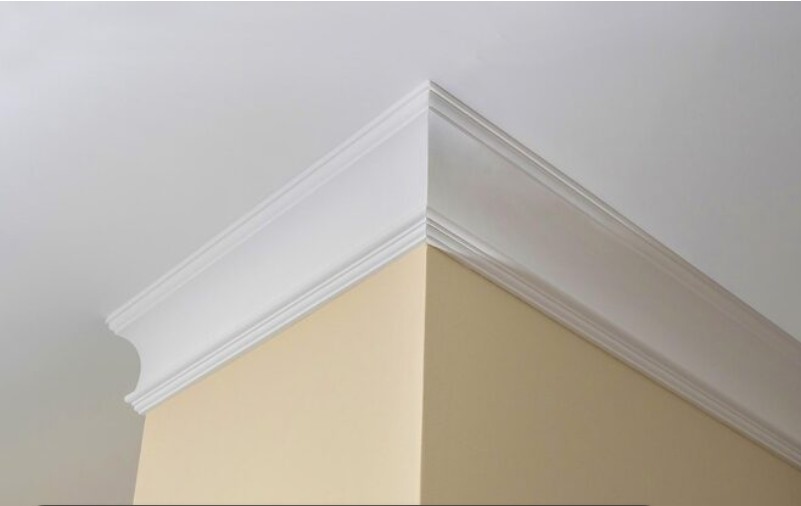
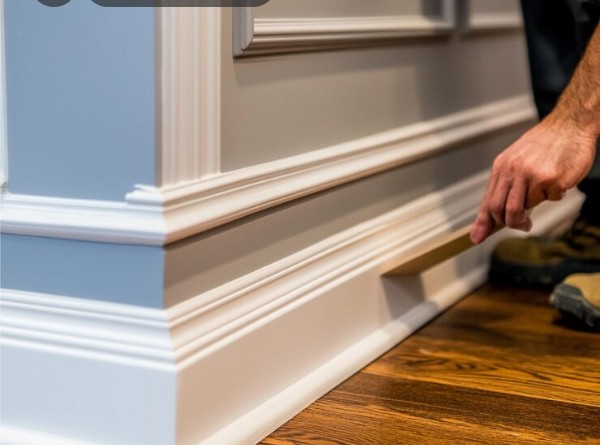
Wall mouldings tend to bring structure, rhythm and proportion. Three-dimensional panels create texture, depth and stronger surface movement.
Rather than asking which option is universally better, it is more useful to consider where each treatment works best within the hotel.
For hospitality projects in Germany, that decision should also take account of the overall interior concept, wall dimensions, lighting, maintenance requirements, product specifications and the conditions of the specific project.
Start With the Role of the Wall
Before choosing a decorative system, decide what the wall needs to do visually.
Some walls need to organise a room.
Others need to become a focal point.
A large bedroom wall may benefit from subtle framing that brings proportion to the space. A reception backdrop might need a stronger architectural identity that guests notice immediately.
This distinction can help determine whether wall mouldings or 3D panels are the more appropriate starting point.
Use wall mouldings when you want:
- architectural structure
- symmetry
- framed sections
- controlled decorative detail
- integration with doors, furniture or artwork
- a more restrained surface
Consider 3D wall panels when you want:
- stronger texture
- continuous relief
- a feature-wall effect
- greater interaction with lighting
- a more sculptural surface
Neither approach is limited to a particular style.
Simple wall mouldings can feel highly contemporary, while subtle 3D panels can work within restrained and elegant interiors.
The result depends on proportion, colour, layout and surrounding architecture.
Reception Areas: Create a Clear Focal Point
The reception area is one of the first spaces a guest experiences, so the wall treatment can play an important role in establishing the hotel’s visual identity.
A large wall behind a reception desk can support either approach.
Wall mouldings in reception areas
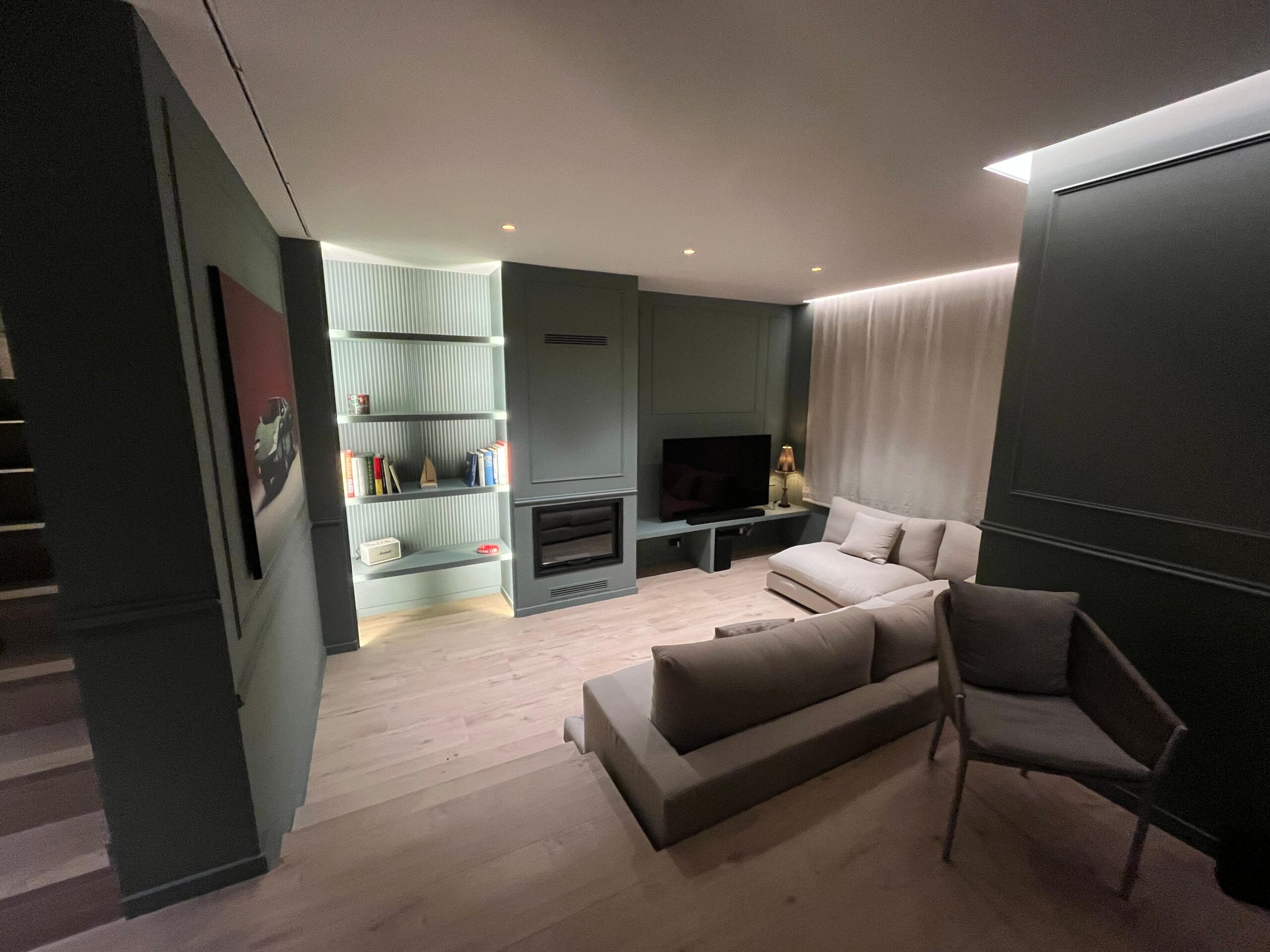
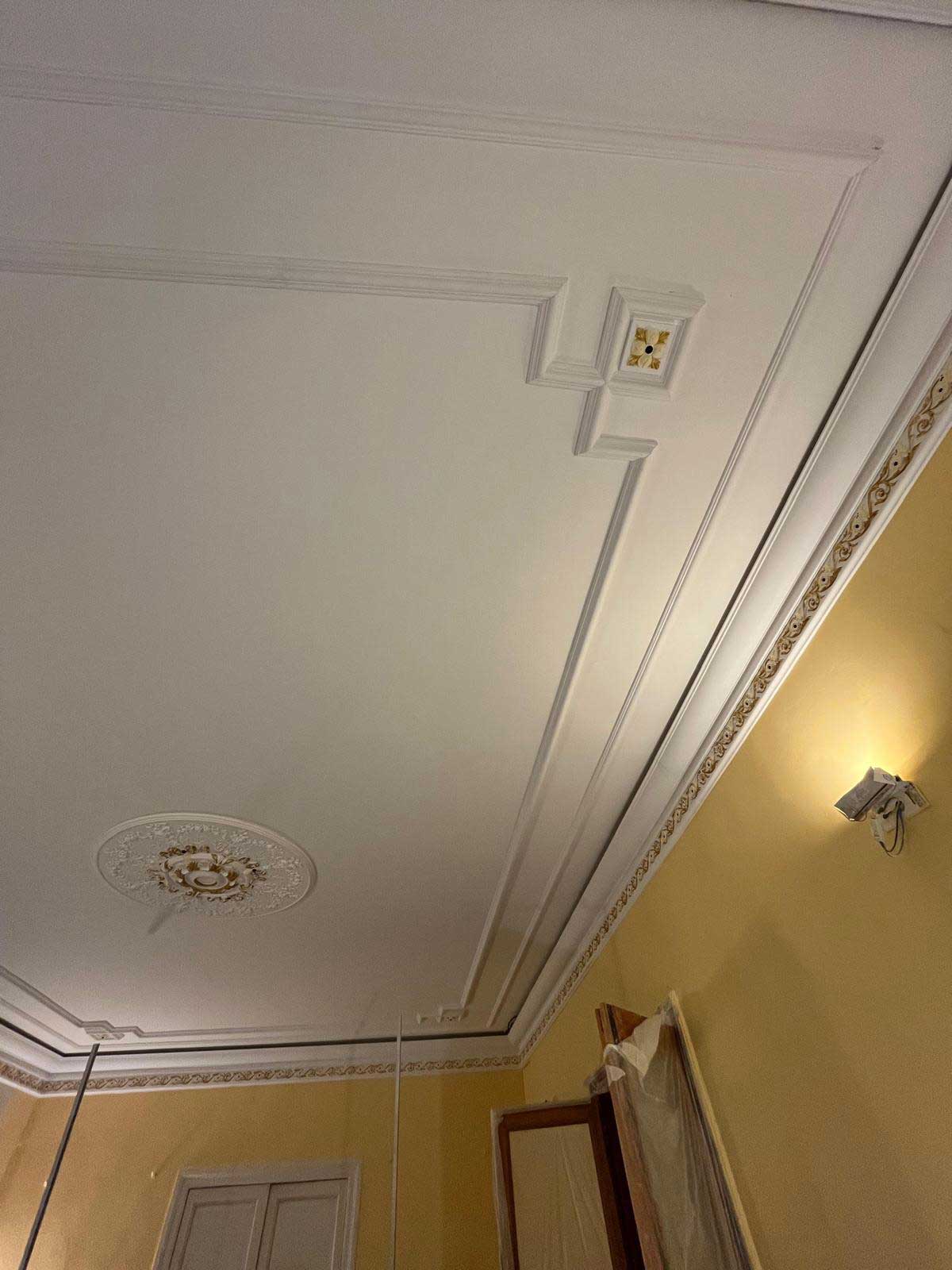
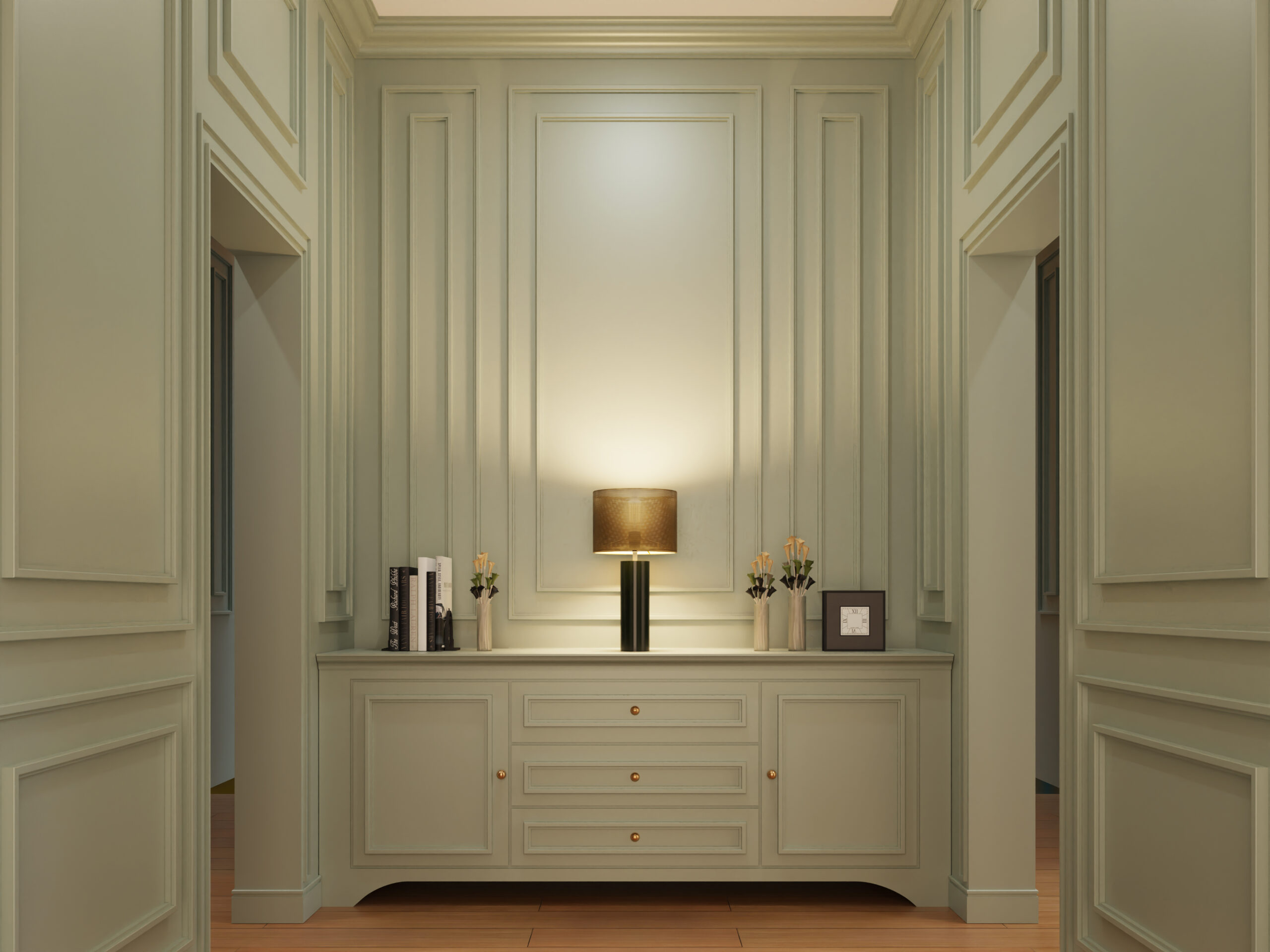
Mouldings can create a structured backdrop using repeated frames, vertical divisions or symmetrical proportions.
They can work particularly well when the hotel interior relies on architectural order rather than strong surface texture.
Painting the mouldings and wall in the same colour can create subtle shadow lines without introducing too many competing materials.
3D panels in reception areas
Three-dimensional panels can create a more prominent feature.
A large surface provides enough space for repeated relief patterns to develop visually, while directional or concealed lighting can emphasise depth and shadow.
The important point is scale.
A pattern that appears restrained on a small sample may become significantly stronger when repeated across an entire reception wall.
Mock-ups or larger samples can therefore be valuable before final specification.
Guest Bedrooms: Detail Without Visual Overload
Hotel bedrooms generally require a calmer approach.
Guests spend longer periods in these spaces, and excessive decorative detail can make the room feel visually busy.
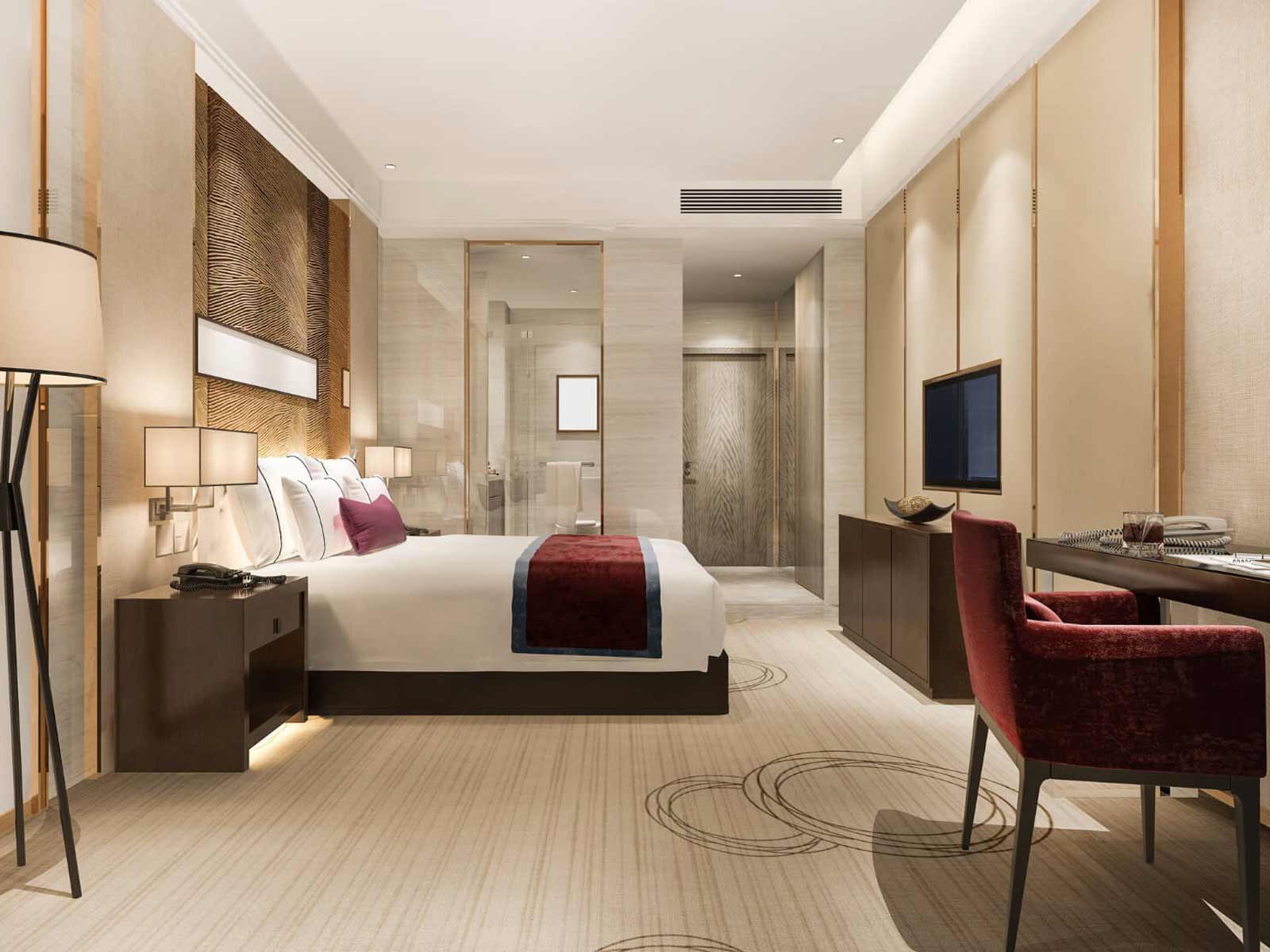
Wall mouldings can work particularly well behind the bed, where framed sections create architectural structure without covering the entire surface.
Simple profiles can also help relate the headboard, bedside furniture and lighting to the proportions of the wall.
3D panels can also be effective behind a bed, but pattern depth and scale deserve careful consideration.
A highly textured wall may become a strong focal point, while a shallower relief can provide depth without dominating the room.
Lighting should be considered at the same time because shadows can make a textured surface appear much stronger in the evening than during daylight.
Hotel Corridors: Prioritise Durability and Repetition
Corridors present different design challenges.
They often contain long uninterrupted walls, repeated doors and regular contact from guests, luggage and cleaning equipment.
Wall mouldings can introduce rhythm along the corridor by dividing long surfaces into repeated sections.
However, profile position and projection should be considered in areas where physical contact is likely.
3D panels can also break up long surfaces, but maintenance and impact exposure become particularly important.
Highly textured panels may contain deeper recesses or projecting areas that require more careful cleaning.
For either solution, the product should be assessed according to its actual location rather than appearance alone.
The manufacturer’s technical and maintenance information should form part of the specification.
Restaurants and Lounges: Use Walls to Shape Atmosphere
Restaurants, bars and lounges often allow greater decorative freedom than corridors or bedrooms.
These spaces can support stronger visual features because atmosphere forms an important part of the guest experience.
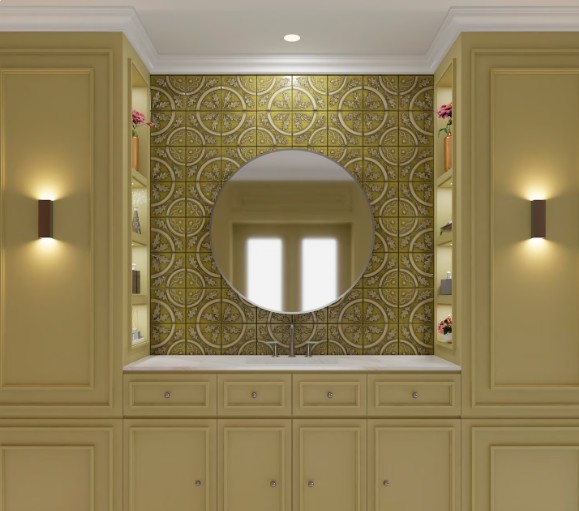
Wall mouldings can create formal or elegant compositions, particularly when combined with mirrors, artwork or decorative lighting.
They can also help divide larger dining spaces into visually defined areas.
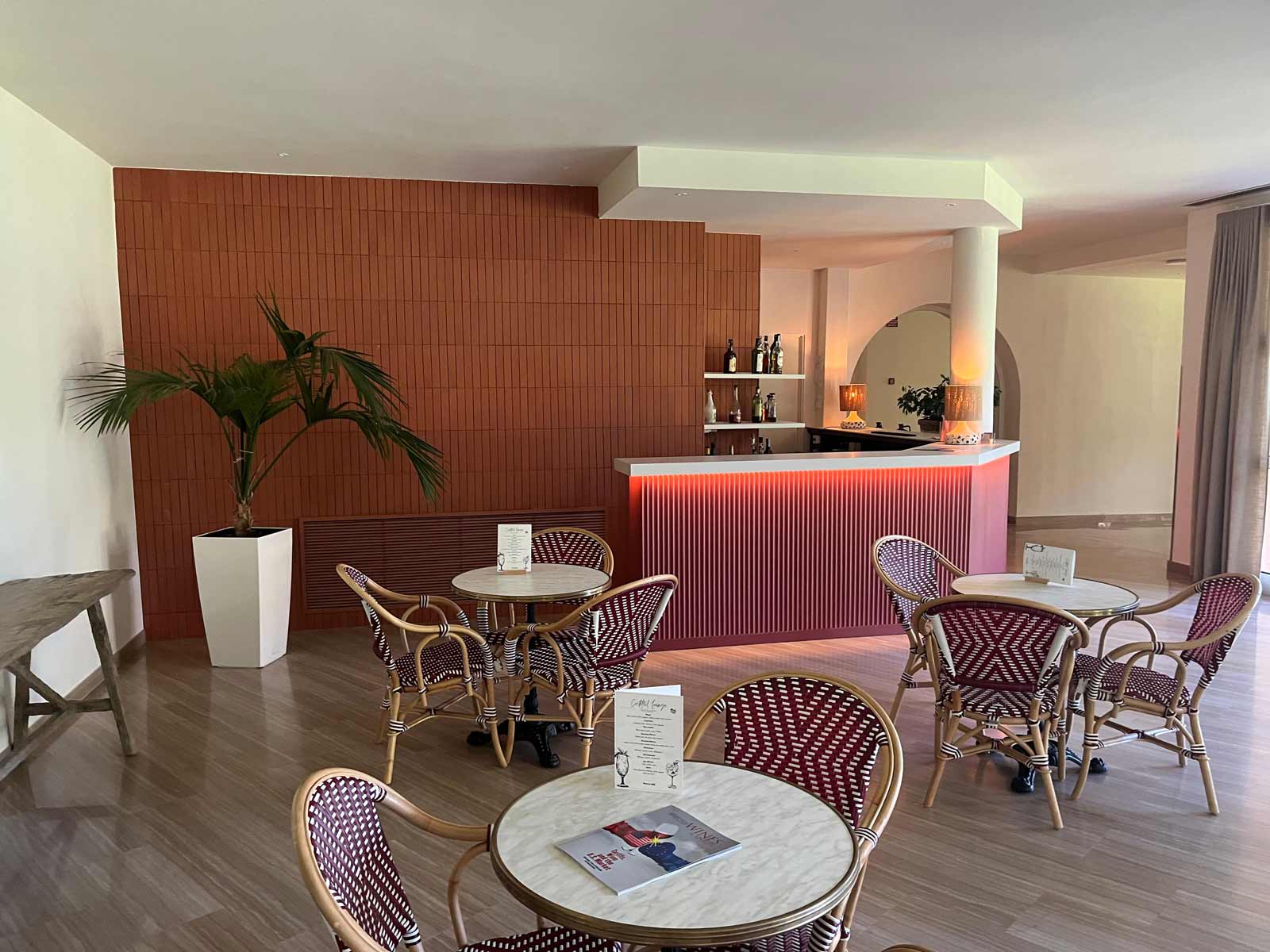
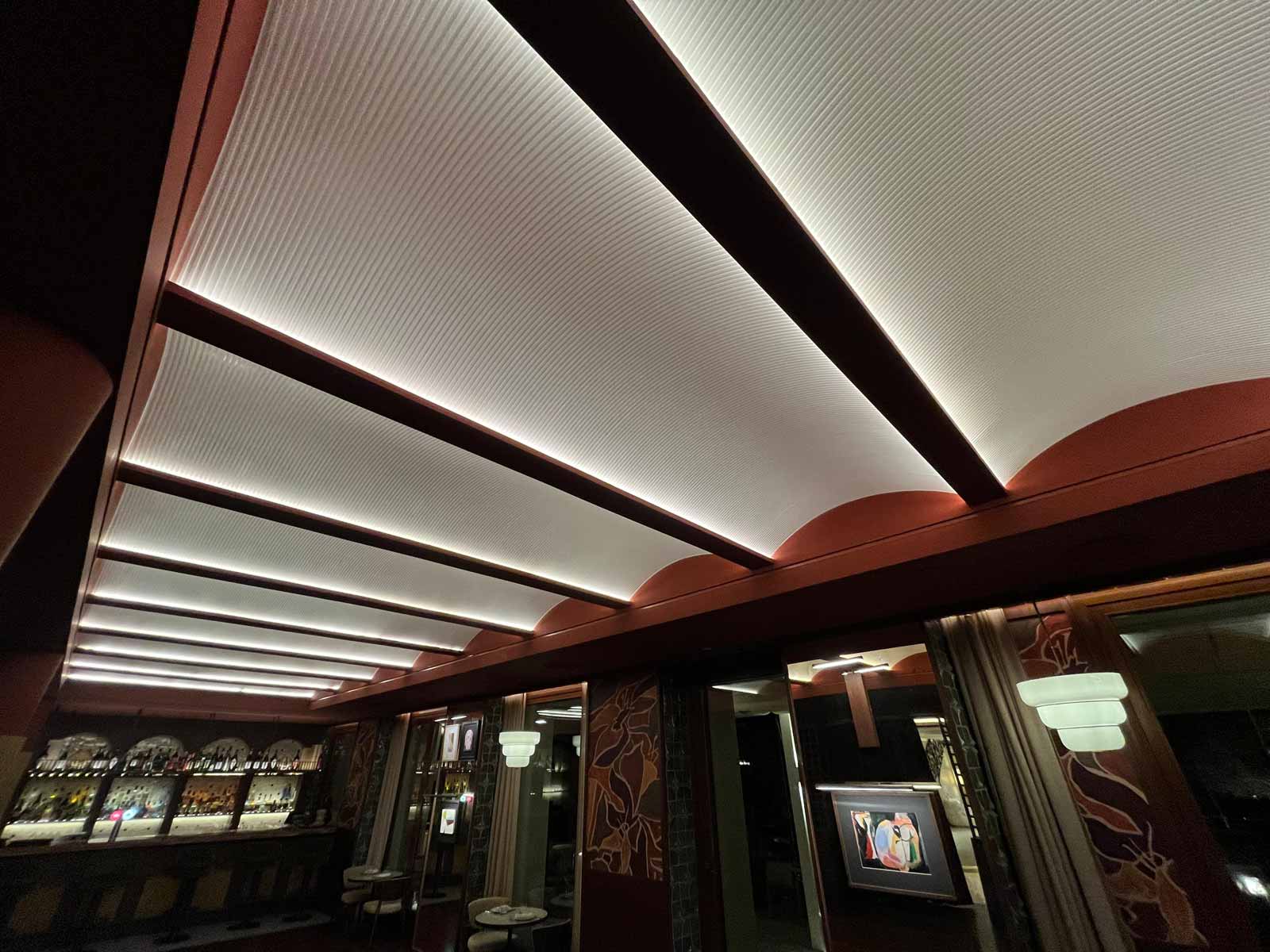
Three-dimensional panels can create a stronger feature wall behind seating, a bar or another focal point.
Lighting becomes especially important here.
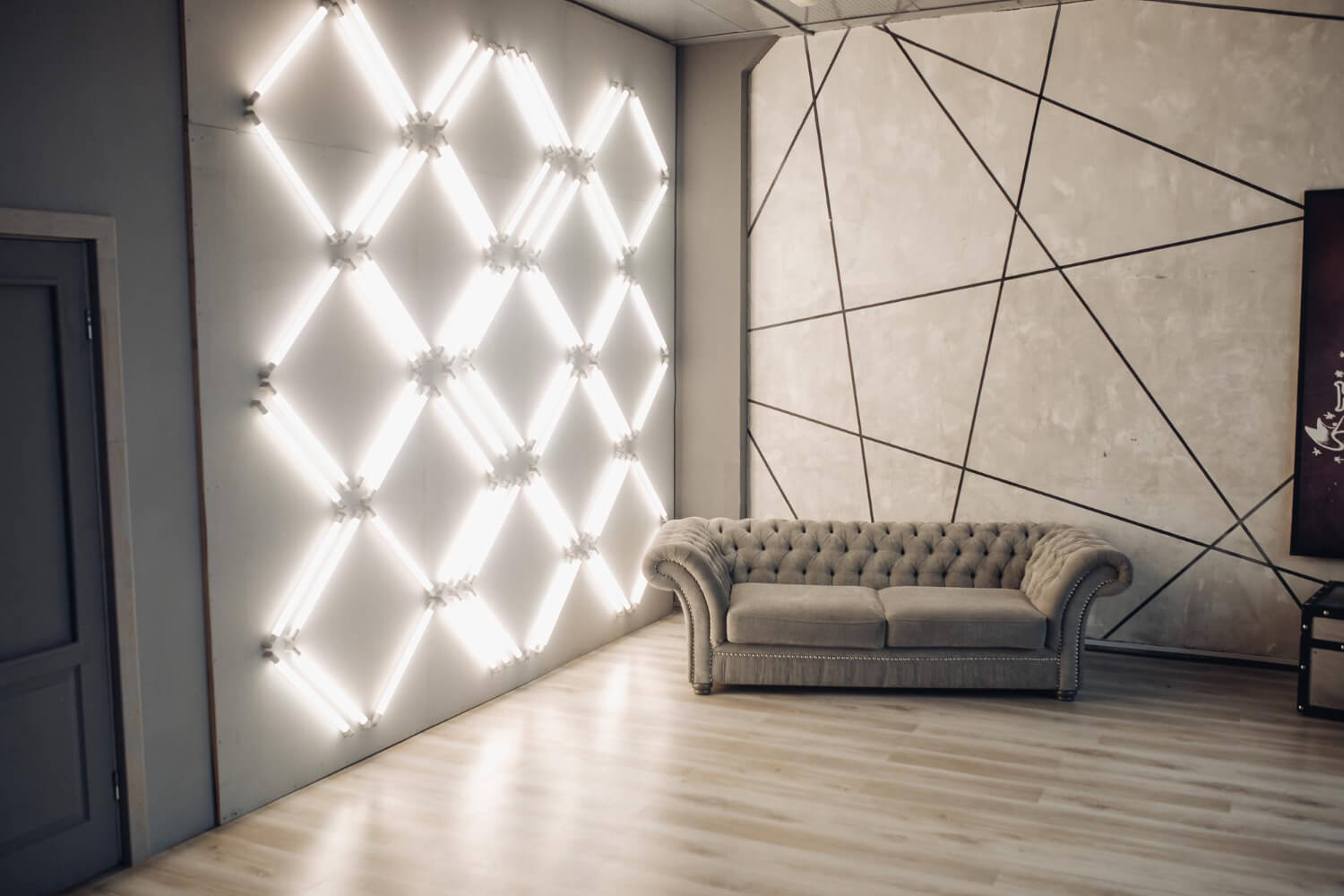
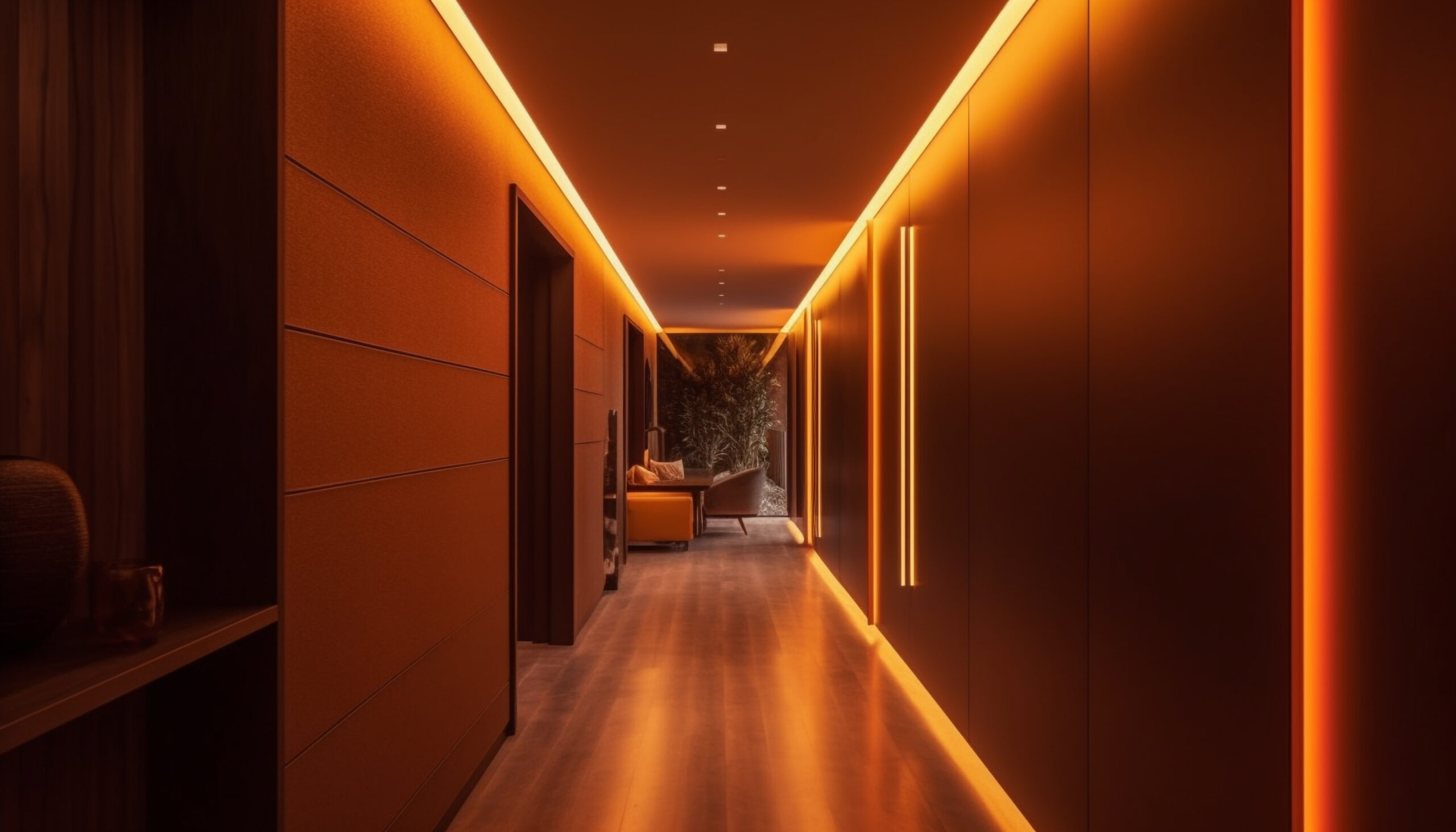
Directional light moving across a textured surface can accentuate relief and create dramatic shadows, while softer illumination produces a more restrained effect.
The wall treatments for hotel interiors and lighting scheme should therefore be considered together rather than as separate design decisions.
Large Feature Walls: Think About Scale First
Large hotel walls can support ambitious decorative treatments, but scale needs to be carefully controlled.
With wall mouldings, profiles that are too narrow may lose visual impact across a large surface.
With 3D panels, the opposite problem can occur: a pattern that looks subtle on a sample may become overwhelming when repeated many times.
Consider:
- total wall dimensions
- viewing distance
- ceiling height
- furniture scale
- pattern repetition
- surrounding materials
- lighting direction
A physical sample or mock-up can reveal how the design behaves at a more realistic scale before installation begins.
Lighting Changes Both Solutions
Lighting affects wall mouldings and three-dimensional panels in different ways.
Mouldings generate shadows around profile edges and recessed framed areas.
3D panels normally create more continuous variation because the entire surface contains raised and recessed elements.
Light directed across a wall can make relief much more noticeable than frontal illumination.
This means the same decorative treatment can appear relatively subtle during the day and significantly more pronounced under artificial lighting.
For hotel projects, wall finishes and lighting should therefore be reviewed together.
Consider Installation From the Design Stage
Wall mouldings and 3D panels require different installation planning.
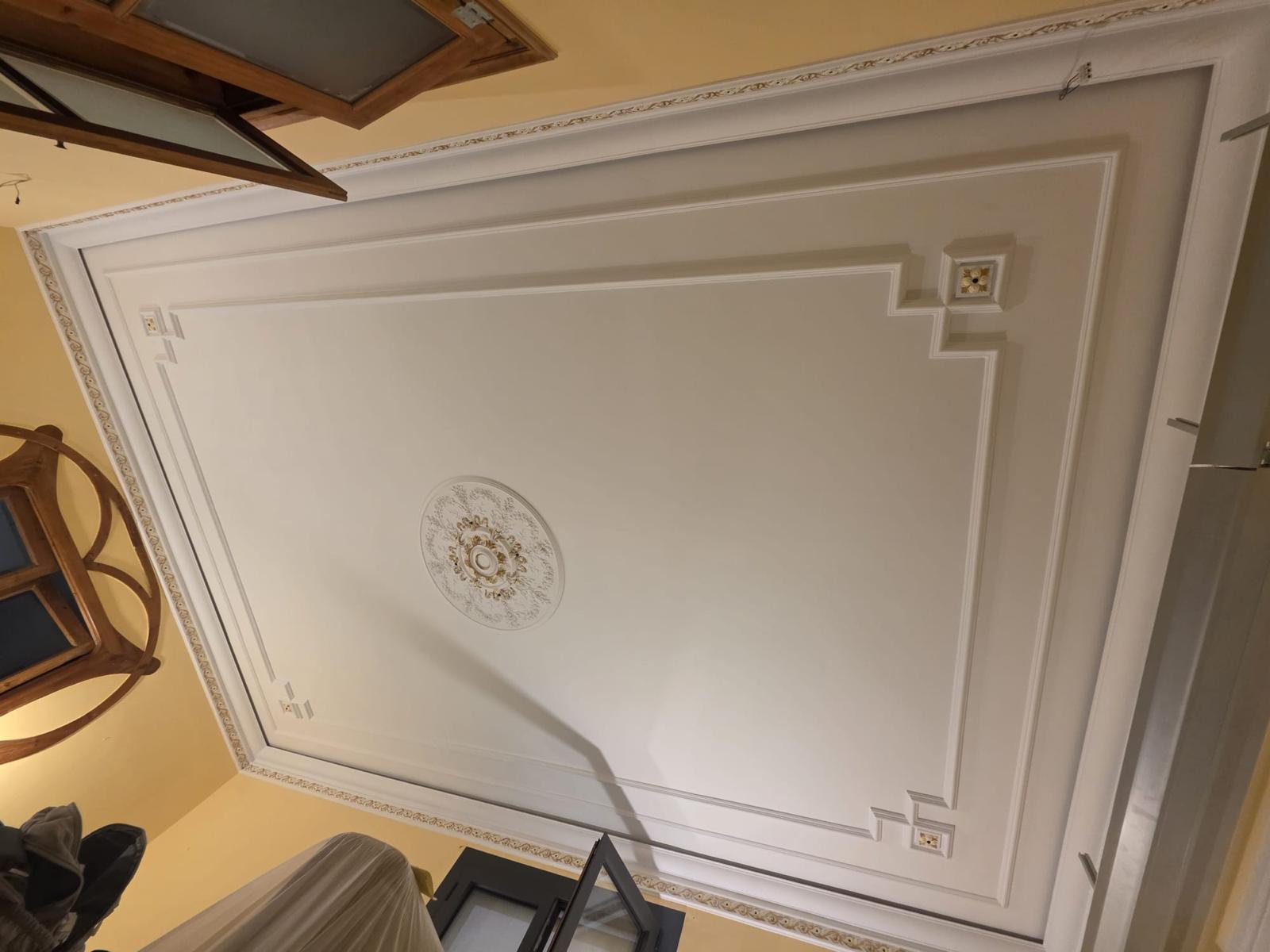
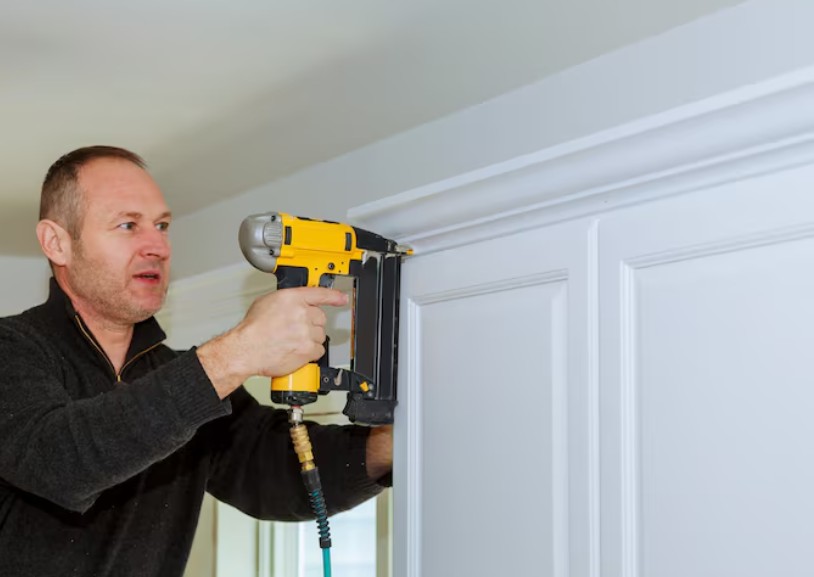
Wall mouldings rely on accurate setting out, spacing, cutting, joints and alignment around doors and other architectural elements.
Large framed compositions can make even small spacing errors noticeable.
Three-dimensional panels require careful control of:
- pattern continuity
- panel joints
- corners
- cut-outs
- doors
- sockets and switches
- transitions to other finishes
The larger and more visible the installation, the more important these details become.
For projects in Germany, relevant commercial pages provide more detail about wall moulding installation in Germany.
Substrate Condition Matters
Neither decorative mouldings nor wall panels should be expected to hide every problem in an existing wall.
The surface needs to be appropriate for the selected product and installation method.
Depending on the system, preparation may include cleaning, levelling, priming or other work specified by the manufacturer.
Wall irregularities can become particularly noticeable when decorative elements need precise alignment.
Preparing the substrate correctly may be less visible than the finished design, but it can have a major influence on the final result.
Think About Cleaning and Maintenance Early
Hospitality interiors need to work operationally as well as visually.
Decorative mouldings can contain edges and recesses where dust accumulates.
Three-dimensional panels may create even greater surface variation depending on their profile.
Before selecting a system, consider:
- how the surface should be cleaned
- expected physical contact
- whether specific cleaning products should be avoided
- how damaged areas can be repaired
- whether individual elements can be replaced
A visually impressive surface may not be appropriate if it creates disproportionate maintenance requirements in a high-traffic hotel area.
Can Wall Mouldings and 3D Panels Be Used in the Same Hotel?
Yes.
In fact, different areas of a hotel may benefit from different decorative approaches.
Guest bedrooms might use subtle wall mouldings to create proportion and framing, while the reception area uses a 3D feature wall to establish a stronger visual identity.
Restaurants and lounges may combine selected elements from both systems.
The key is consistency.
Colours, proportions, materials and patterns should belong to the same overall design language.
Using several decorative systems simply because they are available can make an interior feel fragmented.
Can They Be Combined on the Same Wall?
They can, but the relationship needs to be intentional.
For example, simple wall mouldings can frame a selected textured panel, creating a layered composition.
This type of combination requires careful control because both elements already introduce visual detail.
One should normally remain dominant while the other provides structure or support.
The objective is architectural coherence, not maximum decoration.
Wall Mouldings or 3D Panels: A Practical Decision Guide
A simple way to approach the choice is to begin with the desired visual result.
Choose wall mouldings when the priority is:
- rhythm
- framing
- symmetry
- proportion
- architectural definition
Consider 3D panels when the priority is:
- texture
- continuous relief
- sculptural impact
- feature walls
- stronger interaction with light
Then review the practical conditions of the space.
A reception backdrop and a busy corridor do not have the same maintenance or durability requirements.
A guest bedroom and a restaurant also create different lighting and visual expectations.
The final selection should therefore combine aesthetics with actual use.
Frequently Asked Questions
Are wall mouldings suitable for modern hotels?
Yes. Clean profiles, simple geometry and restrained colours can create contemporary wall designs without relying on traditional ornamentation.
Are 3D panels suitable for hotel bedrooms?
They can be, particularly as feature surfaces. Pattern scale, depth, lighting and the overall visual intensity of the bedroom should be considered carefully.
Which option creates more texture?
3D panels generally create stronger continuous surface relief. Wall mouldings create texture through individual profiles, frames and shadow lines.
Which works better in hotel corridors?
Either may be appropriate depending on the product. Durability, impact exposure, cleaning requirements and maintenance should have greater weight in corridors than purely decorative considerations.
Does lighting affect the choice?
Yes. Both treatments interact with lighting, although deeper three-dimensional surfaces normally produce stronger changes in shadow and contrast.
Which requires more installation planning?
Both require careful planning for different reasons. Wall mouldings depend heavily on spacing and alignment, while 3D panels require particular attention to pattern continuity, panel joints and cut-outs.
What should hotel projects in Germany consider?
The project team should review product documentation, substrate conditions, installation instructions, maintenance requirements and any technical requirements applicable to the specific building and location.
Final Thoughts
Wall mouldings and 3D panels do not need to compete for exactly the same role within a hotel.
They solve different design problems.
Wall mouldings bring structure, proportion and architectural rhythm.
Three-dimensional panels introduce texture, relief and stronger visual impact.
The best decision therefore depends on where the treatment will be installed and what that wall needs to contribute to the guest experience.
Reception areas, bedrooms, corridors and restaurants can all justify different approaches.
By considering room function, scale, lighting, maintenance and installation from the beginning, designers can use each system where its visual strengths make the most sense.