What Is Cornice?
When choosing decorative ceiling mouldings, the terms cornice and coving are often used interchangeably. Both are commonly installed where the wall meets the ceiling, but they do not always describe exactly the same type of profile.
The main difference usually comes down to shape, proportion and decorative detail. Coving is generally simpler and smoother, while cornice is a broader term that can include deeper and more decorative architectural profiles.
For premium interiors in Germany, the right choice depends less on the name of the product and more on the architecture of the room, ceiling height, proportions and the overall design.
What Is Coving?
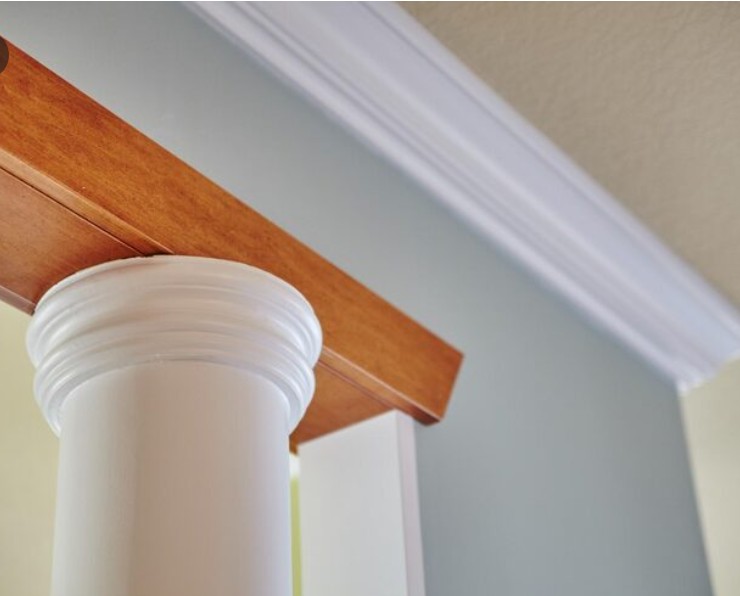
Coving is a decorative moulding installed along the junction between a wall and ceiling.
It is often associated with a smooth, curved or relatively simple profile that creates a gradual transition between the two surfaces.
Because of its understated appearance, coving can work particularly well in contemporary interiors or rooms where architectural detailing should remain subtle.
It can provide a finished edge without becoming the dominant decorative feature in the space.
Other terms sometimes used for similar elements include:
- ceiling coving
- cove moulding
- decorative ceiling trim
- wall-to-ceiling moulding
- interior moulding
The exact terminology can vary between manufacturers and markets, so the profile itself is usually more important than the label.
What Is Cornice?
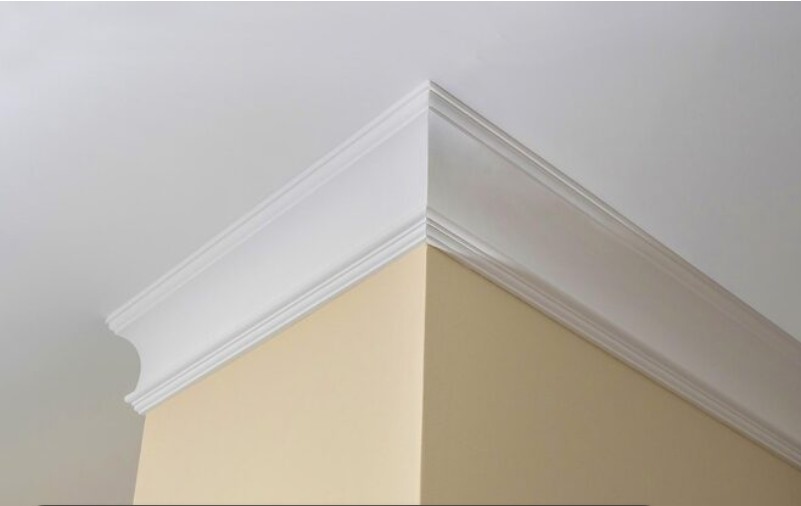
Cornice is a broader architectural term used for mouldings that finish or decorate the upper part of a wall.
In interiors, cornices are frequently installed at the wall-to-ceiling junction, just like coving. However, the range of available profiles is generally much broader.
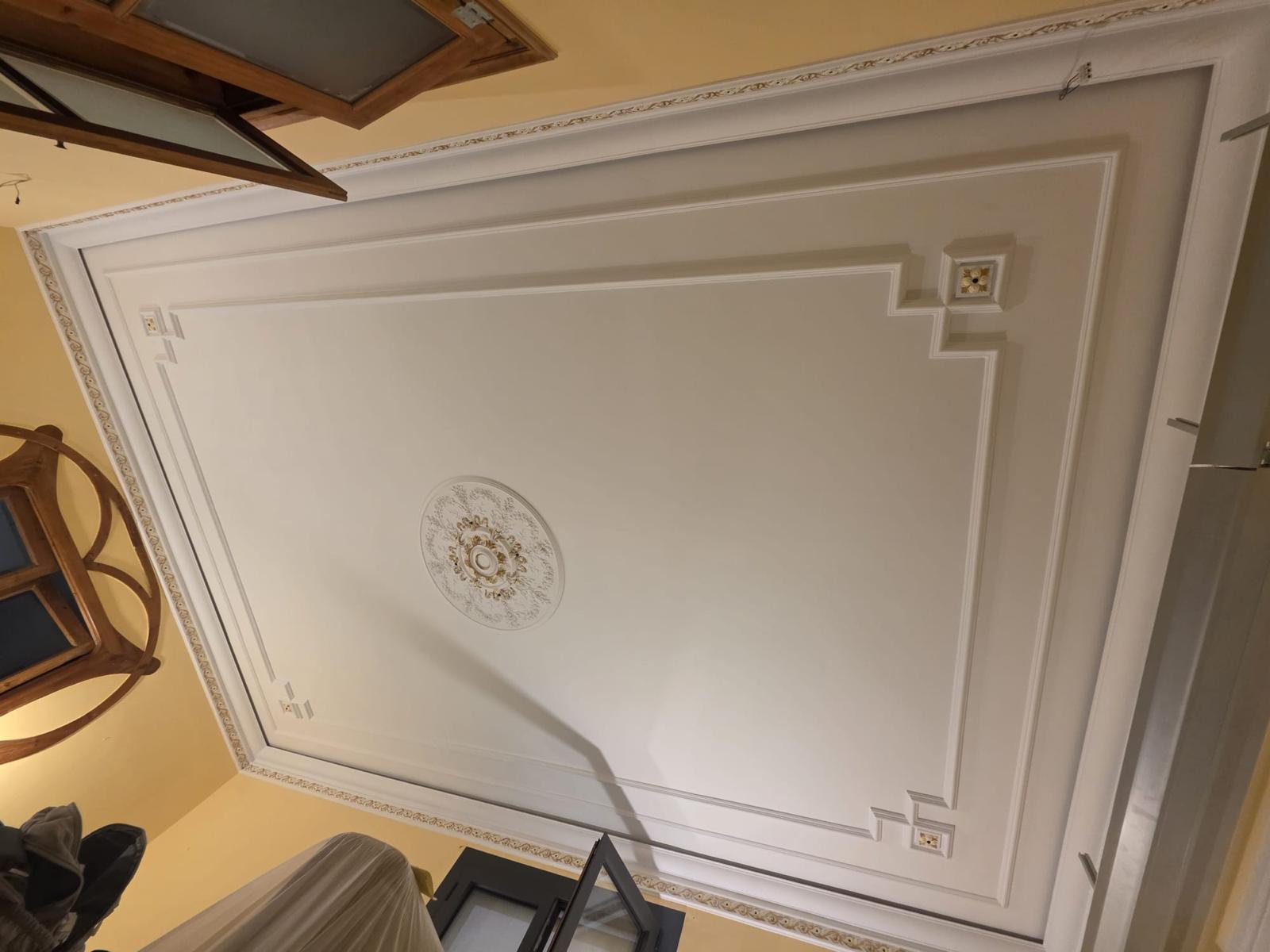
A cornice can be simple and restrained, but it can also include several layers, steps, curves or decorative detailing.
This makes cornice particularly useful when the moulding is intended to become a more visible architectural feature.
In traditional interiors, a decorative cornice can reinforce existing architectural character. In contemporary projects, a cleaner cornice profile can introduce depth and shadow without creating an overly classical appearance.
Cornice vs Coving: What Is the Main Difference?
The simplest way to compare cornice and coving is through their profile and visual presence.
Coving is usually associated with a relatively simple and consistent profile designed to soften the transition between wall and ceiling.
Cornice covers a wider range of mouldings and can include deeper, more detailed or more architectural profiles.
There is no universal dividing line between the two terms. Designers, manufacturers and installers may use them differently, and some profiles could reasonably be described as either cornice or coving.
For this reason, when comparing different options, look beyond the product name and consider:
- profile shape
- wall drop
- ceiling projection
- depth
- decorative detail
- material
- overall proportion
These characteristics have a much greater influence on the finished result.
How Profile and Proportion Affect the Room
What Is the Difference Between Cornice and Coving?
A moulding can look very different once installed compared with how it appears in a catalogue or individual product photograph.
Room proportions matter.
A smaller room or one with a lower ceiling may suit a restrained profile that introduces architectural definition without visually reducing the space.
A larger room with higher ceilings can usually accommodate a deeper or more noticeable profile.
The relationship between wall drop and ceiling projection is also important. Shallower profiles create a subtle transition, while deeper profiles generate stronger shadows and a more pronounced architectural effect.
Before choosing a cornice or coving profile, it is worth considering other elements already present in the room, including:
- ceiling height
- wall proportions
- doors
- fireplaces
- ceiling roses
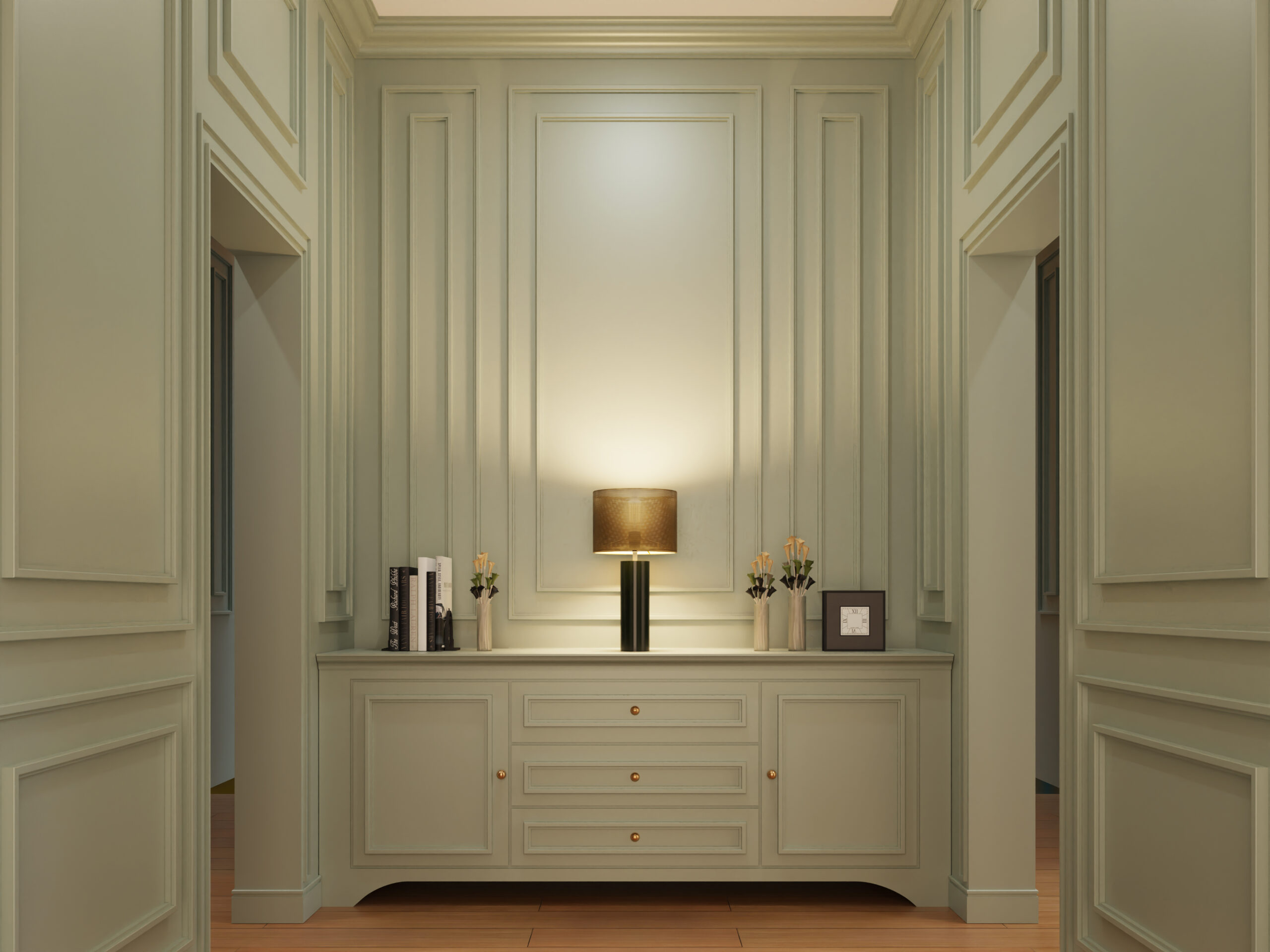
- wall mouldings or panelling
- lighting
- flooring
- existing architectural details
The aim should be to create a coherent interior rather than choosing the most decorative profile in isolation.
Cornice or Coving for a Modern Interior?
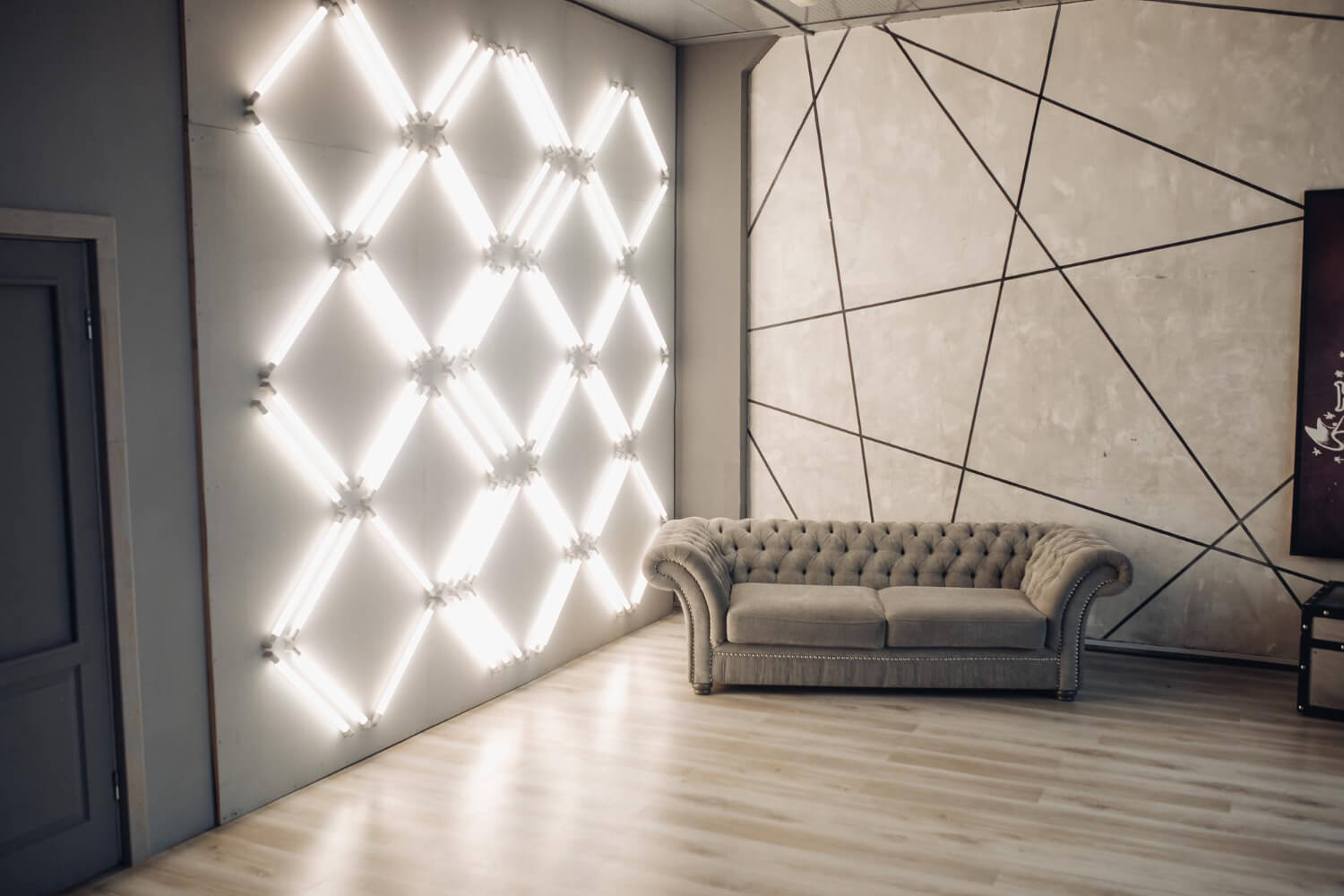
Coving can work particularly well in contemporary interiors because its simpler shape provides a clean transition between the wall and ceiling.
A restrained profile can add architectural detail without competing with furniture, lighting or other design elements.
However, contemporary interiors do not necessarily require coving.
A simple cornice with limited ornamentation can also introduce depth and definition while maintaining a modern appearance.
The most important factor is therefore not whether the product is called cornice or coving, but whether its proportions and design complement the architecture of the room.
When Does Decorative Cornice Work Best?
A more detailed cornice can be particularly effective where the interior already has a strong architectural identity.
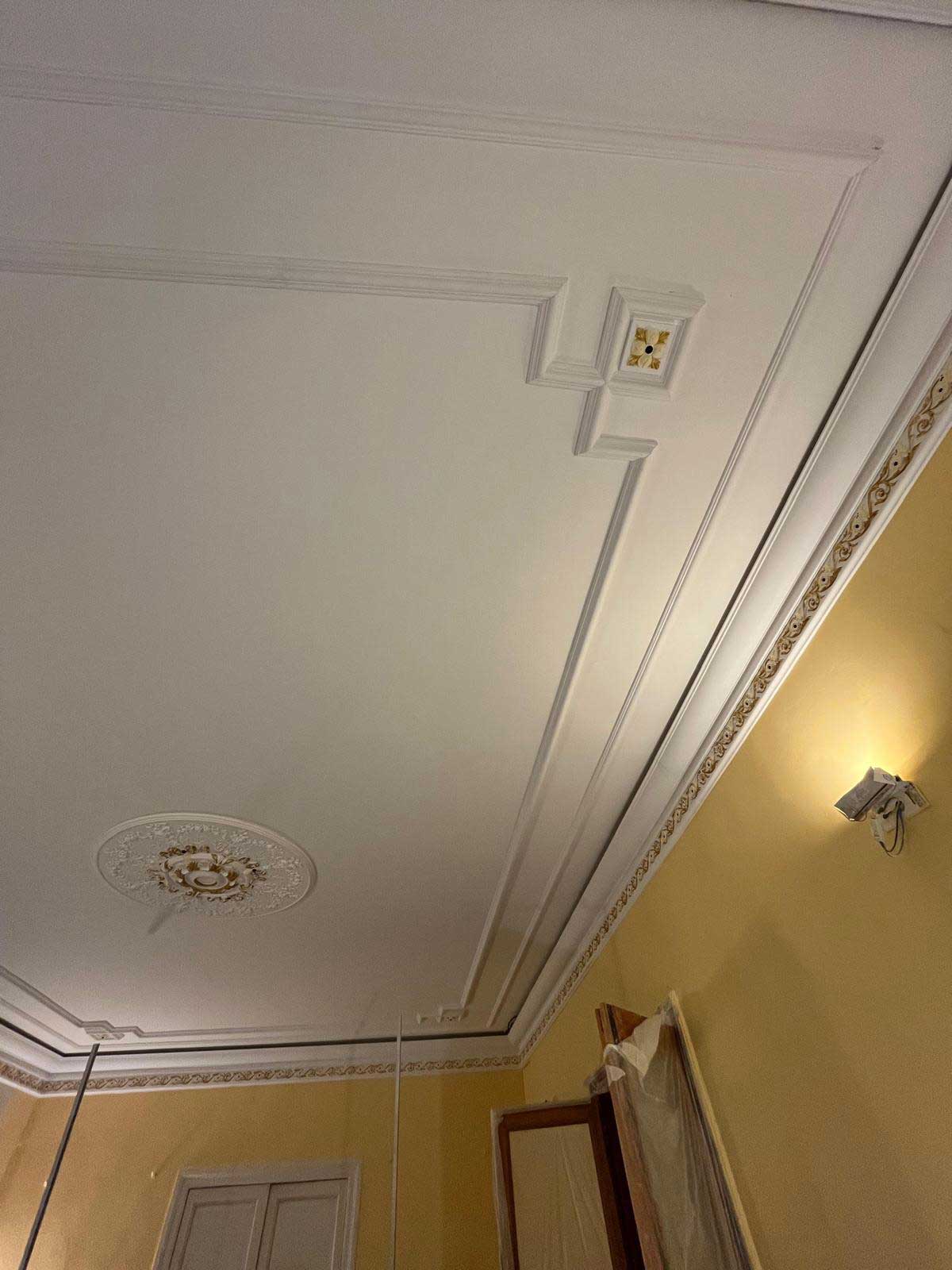
Older properties with decorative fireplaces, ceiling roses, wall panelling or existing plasterwork may benefit from a profile that complements these features.
Cornice can also be useful in premium interiors where the ceiling needs a stronger architectural frame.
In restoration or refurbishment projects, consistency is especially important. Introducing a profile that has little relationship with the existing architecture can change the character of the room.
The objective should be to select a cornice that works with the building rather than simply choosing the most elaborate design available.
Does the Material Make a Difference?
Cornice and coving are available in different materials depending on the manufacturer, profile and intended application.
Traditional plaster or gypsum-based mouldings can provide a substantial appearance and precise decorative detailing, although their weight and handling requirements should be considered during installation.
Lightweight polymer-based mouldings are another common option and can be produced in a wide range of profiles.
Timber and composite products may also be used for certain decorative applications.
The material should always be considered together with:
- the profile
- surface condition
- fixing requirements
- room proportions
- required finish
Appearance alone should not determine the choice.
Why Installation Is Important
The quality of the finished result depends on more than the profile itself.
Walls and ceilings should be assessed before installation because uneven surfaces can affect alignment along longer runs.
Corners also require accurate measuring, cutting and joining.
With detailed cornices, joints and decorative patterns need particular attention so that the profile remains visually continuous.
Simpler coving profiles may make minor variations less noticeable, but accurate preparation, positioning and finishing remain important.
For projects in Germany, you can also read more about cornice and coving installation in Germany and the installation considerations involved in premium interior projects.
Choosing Cornice or Coving for an Interior in Germany
Interior projects across Germany can vary considerably, from modern apartments and contemporary developments to older buildings with established architectural detailing.
There is therefore no single profile that will suit every project.
For a modern apartment, a clean and relatively shallow moulding may integrate naturally with the existing architecture.
In a property with stronger decorative features, a deeper or more detailed cornice may provide better visual continuity.
Architects, interior designers and property owners should consider the room as a whole: ceiling height, proportions, natural light, flooring, doors, furniture and existing decorative features all influence how the final profile will look.
Where original architectural elements already exist, maintaining a coherent relationship between them is often more important than following a particular design trend.
Frequently Asked Questions About Cornice and Coving
Is cornice the same as coving?
Not exactly. Coving usually describes a simpler moulding installed at the wall-to-ceiling junction. Cornice is a broader term and can include both restrained and highly decorative profiles.
Can coving be used in a modern interior?
Yes. Simple coving can provide a clean architectural transition and works particularly well when the profile is proportionate to the room.
Is cornice only suitable for traditional properties?
No. Decorative cornices are often associated with traditional interiors, but simpler architectural profiles can also work effectively in contemporary projects.
Which is easier to install: cornice or coving?
A simple, uniform coving profile may be easier to cut and align than a highly detailed cornice. However, installation requirements depend on the profile, material, corners and condition of the walls and ceiling coving.
How should I choose the right size?
Consider the ceiling height, dimensions of the room and surrounding architectural elements. The ceiling moulding should feel proportionate once installed rather than being selected solely from a catalogue image.
Can cornice and coving be painted?
Many decorative mouldings can be painted, although preparation and the appropriate paint system depend on the material and manufacturer instructions.
Final Thoughts
Choosing between cornice and coving is ultimately a question of profile, proportion and architectural character.
Coving generally provides a simpler and more understated transition between wall and ceiling.
Cornice offers a wider range of possibilities, from restrained architectural profiles to more decorative mouldings.
Neither option is automatically better. The most suitable choice is the one that fits naturally with the proportions, style and existing details of the interior.